
Reviewed · MAUI WHALE WATCHING TOURS
Ultimate 3.5 hour Whale Watch & Snorkel
The best part of this Maui outing is the chance to switch between whale watching and snorkeling in one compact morning. From a small boat, you can watch humpback whales spout, breach, slap their fins, and sing, then swim above tropical reefs near Lanai or Maui. Dolphins, turtles, octopus, manta rays, and colorful fish are all possible sightings.
I like the small-group format, with no more than 16 people aboard, and I like the low rescue-style boat because everyone gets a clear view close to the water. Crews such as Jill, Kacey, Amy, Lilly, Emma, and Sarah have also made a strong impression with clear explanations and an obvious respect for the whales.
The main catch is that conditions and wildlife are never fully predictable. Wind can make the ride rough, pregnant people and children under four cannot join, and whale watching is seasonal, so you should choose this trip for the quality of the outing, not a guaranteed animal performance.
Key points to know before you book
- Whale season changes the outing: During migration season, one snorkel stop may become whale watching, giving you more time with humpbacks.
- Lanai is the preferred snorkeling area: The boat heads toward Lanai reefs when conditions and the captain’s judgment make that the best choice.
- The boat keeps you close to the water: That makes whale sightings easy to follow, though a low boat can feel more exposed in wind and waves.
- The group limit is 16 people: This is a more personal experience than a large catamaran cruise.
- Wildlife encounters are varied: Dolphins, turtles, whales, octopus, manta rays, and tropical fish are all possible, not promised.
- Every ticket supports conservation work: The company says proceeds help active marine research and whale rescue.
Lahaina Harbor starts the morning at 9:00
You meet at 1229 Front Street in Lahaina for a 9:00 a.m. departure. The outing returns to the same meeting point, which keeps the morning simple if you are staying in West Maui or arranging your own transport.
The advertised length is roughly 3 to 4 hours. That is a useful middle ground. You get enough time to reach good water and stop to snorkel, but you are not committing to an all-day boat trip. If you are prone to seasickness, a shorter trip may be easier to manage. One person who had taken longer whale tours specifically appreciated finishing before the motion became too much.
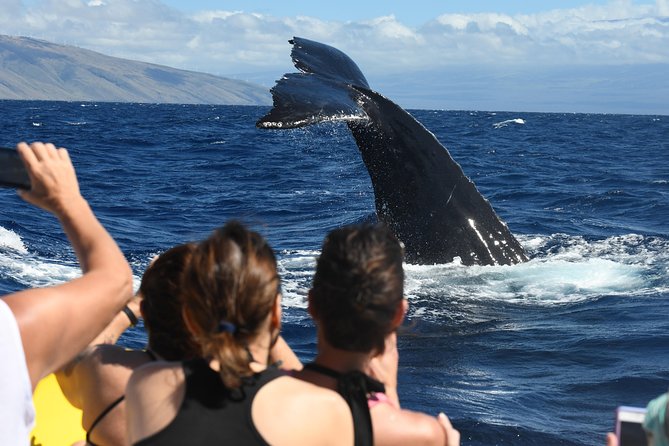
The company uses a US Coast Guard approved rescue-style vessel. It is designed for stability and reduced rocking compared with some smaller open boats, although no boat can remove all motion in rough water. The low profile is important for whale watching: you are not looking down from a tall deck, so a whale’s back, tail, or fin can appear at eye level with the sea.
That design also means you should think about the weather. A low boat can feel more exposed to wind and spray. A February trip with tough wind and water still went ahead safely, but the captain had to work with the conditions. If the sea is unsettled, expect an active ride rather than a calm harbor cruise.
More Maui whale watching trips:
- Maui Eco-Raft Tour: Eye-Level Whale or Dolphin Watching – Lahaina
★ 5.0 · 2,482 reviews - From Maalaea: Whale Watching Tour Aboard the Quicksilver
★ 4.5 · 1,461 reviews - Maui: Ultimate Whale Watch from Lahaina
★ 5.0 · 1,162 reviews
Two snorkel stops near Lanai or Maui
The captain chooses the day’s sites instead of promising one fixed reef. Lanai is the preferred direction because the waters off the island offer regular chances for dolphin encounters and a choice of coves, sea cliffs, and reefs. If Maui provides better conditions, the boat may stay closer to the island.
This flexible plan is a real advantage. Ocean conditions, visibility, and animal activity change from morning to morning. A captain who can choose between Lanai and Maui has more options than an operation tied to one site. The tradeoff is that you cannot know the exact reef or cove before leaving.
The snorkeling setup is straightforward. You receive mask and snorkel gear, flotation devices, and instruction before getting in the water. Nonalcoholic drinks and snacks are included, and you may bring your own GoPro. You can also bring your own beverages, since BYOB is allowed, but remember that the company provides nonalcoholic refreshments already.
In clear water, you might find tropical fish, green sea turtles, octopus, or manta rays. The wording matters here: these are possible sightings, not a checklist. The captain’s job is to find the best available water, not to manufacture wildlife encounters.
The two-stop plan also gives the morning some variety. You can spend time in the water at one location, then move to another reef or cove. During whale season, however, the schedule may change to one snorkel stop and a longer whale-watching period. That is not a downgrade if humpbacks are active. A close look at a mother and calf, a group of males following a female, or a full breach can easily become the day’s main event.
Whale watching from a low boat
Whale season is when this trip changes character. Humpback whales gather around Maui during their seasonal migration, and the small boat can move between sightings without carrying a large crowd.
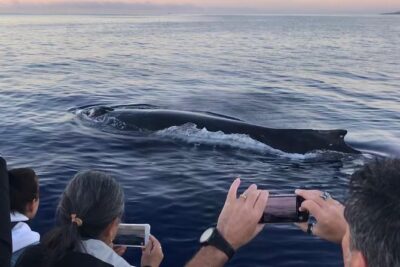
The strongest part of the whale watching is the direct view from the water. You might see spouts first, then a tail as a whale heads down, a pectoral fin slap, a calf near its mother, or a breach that lasts only a second. The smaller vessel lets you follow activity quickly, though the crew must still follow the 100-yard rule and other protections for wild whales.
That distance rule is important. The boat does not chase whales or force an encounter. Sometimes whales approach on their own, which can make the sighting feel close without the captain crowding the animals. One memorable outing included a mother and calf coming very near the boat, while other trips saw several males following a female.
The crew may also use a hydrophone to let you hear whale song beneath the boat. That is a special touch because it changes whale watching from a visual activity into a listening experience. You are not simply waiting for a tail to appear. You can hear the sound that travels through the water while the crew explains what may be happening.
The wildlife can appear soon after leaving the harbor. Several outings saw whales within about 10 minutes, with sightings continuing to the end. That is encouraging, but it should not be treated as a guarantee. Conditions, animal movement, and seasonal timing all matter.
The boat has also encountered active rescue work. On one outing, a separate crew attempted to free an entangled female whale. You should not expect to participate in a rescue, but this illustrates the real risks wild whales face and the value of an operator involved with marine research and whale rescue.
Guides who make the difference
The crew is a major part of this experience. Jill and Kacey have led whale trips with detailed explanations of whale behavior, including sightings of spinner dolphins and large groups of humpbacks. Amy and Lilly have also been praised for a friendly, personal approach, while Emma, Pat, Sarah, and Lacy have guided trips that mixed humor, safety, and whale facts.
I would pay attention to the crew’s role here. On a wildlife trip, a sighting is only half the experience. A tail in the distance means more when someone explains whether the whale is traveling, feeding, resting, or sounding. The staff also answer questions and help you understand what you are seeing without turning the morning into a lecture.
The conservation approach matters too. The crew follows the 100-yard whale rule and places safety first for both people and wildlife. Every ticket also supports active marine research and whale rescue, giving the outing a purpose beyond sightseeing.
Small groups help the guides keep the morning conversational. With a maximum of 16 people, you have a better chance to hear instructions, ask questions, and get a clear place along the side of the boat. Some departures may be smaller still. A VIP version mentioned by one couple had only seven people, but you should not assume that size for this standard booking.
More Maui snorkeling trips:
- Maui Snorkeling Adventure to Molokini and Turtle Town
★ 4.5 · 2,221 reviews - Maui Snorkeling Adventure From Ma’alaea Harbor to Molokini
★ 4.5 · 1,997 reviews - Maui: Turtle Town Snorkel with Photo and Video
★ 5.0 · 1,916 reviews - Maui Snorkel Adventure: Molokini Crater and Turtle Cove
★ 5.0 · 1,433 reviews
What the boat ride feels like
This is not a large, quiet catamaran with lots of room to walk around. It is a small, open-water trip built for access and speed. The rescue-style hull offers more stability than you might expect, but the boat can still move sharply when it turns or crosses wind-driven water.
The low sides are useful for whale watching and photography. You can stay close to the water and follow a whale without leaning over a tall rail. They also mean spray is possible, so protect your phone and camera. A GoPro is specifically welcome, and the low viewing angle can produce excellent footage when conditions cooperate.
Wear clothing you can get wet. Bring sun protection and any personal motion-sickness remedy you normally use, though the supplied information does not list a specific medication or guarantee calm water. The company provides flotation gear and instruction, so you do not need to bring your own snorkeling equipment.
The crew supplies snacks and nonalcoholic drinks. You can bring your own beverages, but alcohol is not part of the supplied service. If you need a substantial meal, eat before departure or plan one after returning to Lahaina.
Is $195 a fair price?
At $195 per person, this is not the cheapest way to spend a morning on Maui. The value comes from combining several services in one small-group outing: boat transport, snorkeling equipment, flotation gear, instruction, snacks, drinks, wildlife searching, and guide commentary.
You are also paying for access to a smaller vessel. A large boat may offer more shade, bathrooms, and room to move around, but this trip gives you a closer-to-the-water view and a better chance of hearing the crew. The captain can move between whale sightings and choose among Lanai and Maui sites based on conditions.
The price makes the most sense if you want both snorkeling and wildlife watching rather than a single-purpose trip. It is especially attractive during whale season, when the morning can include humpback behavior, a hydrophone, dolphins, and one reef stop. Outside whale season, the value depends more heavily on the snorkeling and the chance of dolphins or turtles.
Book early if your schedule is fixed. The outing is commonly reserved about 37 days ahead, which suggests that popular dates can fill well before your arrival. The 9:00 a.m. start also leaves much of the day free, but you should allow for the full 3 to 4 hours before making another fixed booking.
Who should choose this Maui tour?
I would choose this trip if you want an active, personal morning on the water and prefer wildlife interpretation to a passive cruise. It suits couples, families with older children, and anyone who wants snorkeling without spending a full day at sea.
It is also a good match for first-time whale watchers. The crew explains what you are seeing, and the low boat gives you a direct view of the water. One family even had an eight-year-old enjoy the outing, though the official rule is that children under four cannot join.
You should think twice if you are pregnant, since pregnant people are not permitted on the trip. You may also want a larger vessel if you dislike open boats, need more space, or are very sensitive to motion. Most people can participate, but the company does not promise a perfectly smooth ride.
The tour is less suitable if your only goal is a guaranteed close whale encounter. These are wild animals, and the boat follows responsible viewing rules. You may see several whales quickly, or you may spend more time searching. The same is true of snorkeling wildlife.
Booking, weather, and cancellation details
You receive confirmation at the time of booking, and service animals are allowed. The meeting point is near public transportation, though the supplied details do not specify a shuttle service or hotel pickup.
You can cancel up to 24 hours before the 9:00 a.m. start for a full refund. Cancellations or changes made less than 24 hours before departure are not accepted for a refund. The company can also cancel if weather is poor or if the minimum number of people is not reached. In those cases, you are offered another date or experience, or a full refund.
That policy makes travel insurance less important for ordinary schedule changes if you act early, but weather remains something to watch. Keep some flexibility around this morning, especially in a trip where wind and water conditions affect both comfort and the captain’s choice of snorkeling site.
Should you book the Ultimate Whale Watch and Snorkel?
Book it if you want a small boat, active wildlife search, and snorkeling in one outing. The strongest reasons are the low viewing position, the 16-person maximum, the flexible choice between Maui and Lanai, and the crew’s care with whale behavior and safety.
I would especially recommend it during humpback season, when the outing can include spouts, breaches, calves, fin slaps, whale song, and dolphins before or after a reef stop. For a family, couple, or first-time whale watcher, $195 is a fair price when you value personal guiding and time on the water.
Skip it if you need a large, sheltered boat, cannot handle motion, are pregnant, or want a guaranteed animal encounter. For everyone else, this is a well-focused Maui morning that gives you a real chance to see the ocean’s big animals while still leaving time to swim over a tropical reef.
FAQ
Where does the tour begin and end?
It begins at 1229 Front Street, Lahaina, Hawaii, at 9:00 a.m., and ends back at the same meeting point.
How long does the whale watch and snorkel tour last?
The outing lasts approximately 3 to 4 hours. The listed itinerary also describes the trip as about 3 hours, so allow the full 4-hour window when planning your day.
How many people can join the boat?
The maximum group size is 16 people.
Is snorkeling equipment included?
Yes. The company provides snorkel gear, flotation devices, and snorkeling instruction.
Can I see whales all year?
Whale watching is offered during migration season. Outside that season, the trip focuses more on snorkeling and possible encounters with dolphins and other marine life.
Are children and pregnant people allowed?
Children under four are not allowed, and pregnant people cannot participate.
What happens if the weather cancels the trip?
If poor weather causes a cancellation, you are offered a different date or experience, or a full refund. The same options apply if the minimum number of people is not reached.
Just added around Maui
- Whale Watch Sail Ma’alaea★ 4.9 · 27 reviews
- Wailea-Makina: Sea Caves, Molokini Snorkel & Turtle Town★ 4.9 · 37 reviews
- West Maui and Molokai Special 45-Minute Helicopter Tour★ 5.0 · 9 reviews
- 2.5 Hour Whale Escape Tour★ 5.0 · 44 reviews
- Turtle Town Clear Kayak & Snorkel Tour (8am-11am)★ 5.0 · 6 reviews
- Maui: Private All-Inclusive Road to Hana Tour with Pickup★ 5.0 · 28 reviews
- Whalewatch Deluxe Tour from Ma’alaea Harbor★ 4.5 · 37 reviews
- Zumba Classes in Kihei Maui – Private or Group (This class is high impact )★ 4.5 · 6 reviews
Maui Whale Watching Tours, compared.
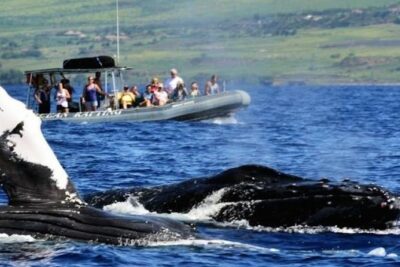
Maui Eco-Raft Tour: Eye-Level Whale or Dolphin Watching – Lahaina
Read our review →
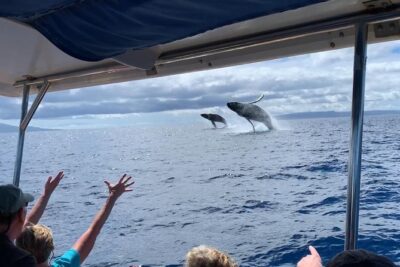
WHALES GUARANTEED Maui Whale Watching Makai Adventures
Read our review →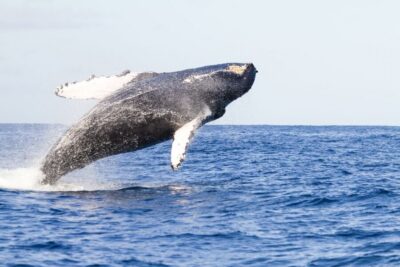
Ma’alaea Harbor: Whale Watching Tour Aboard Power Catamaran
Read our review →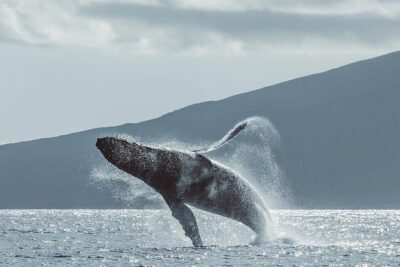
Whale Watching Cruise with Open Bar from Ka’anapali Beach
Read our review →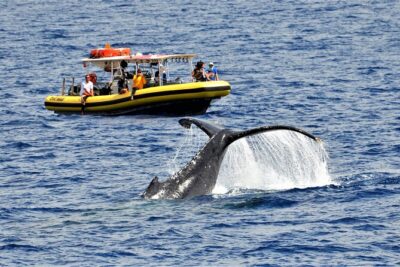
Whale Watching Maui: 2-Hour Small Group Raft Tour from Lahaina
Read our review →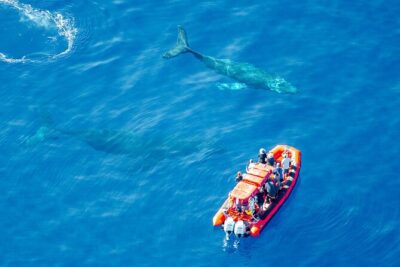
Browse the lists this tour appears in