
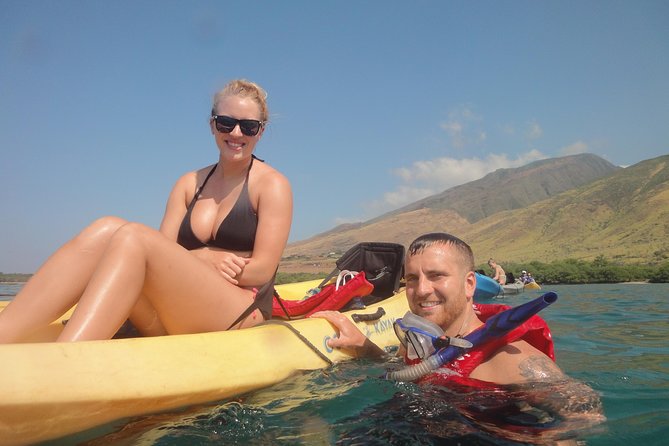
Reviewed · MAUI WHALE WATCHING TOURS
Kayak Whale Watch and Snorkel Hawaiian Islands Whale Sanctuary
A humpback whale surfacing beside a kayak is the headline here, but the real charm is the quiet way you reach the animals. You paddle from Olowalu Beach Reserve into clear coastal water, then listen for whale songs through an underwater hydrophone during whale season.
I like the year-round turtle snorkeling and the small maximum group of 10, which gives guides a real chance to help with paddling and getting back into the kayak. I also like that snorkel equipment, life jackets, water, and snacks are supplied. The catch is simple: this is active ocean time, and wind, visibility, guide organization, and wildlife behavior can change the day considerably.
Key points to know
- Whale season runs from December through April: Humpback sightings and live underwater whale songs are possible only during this seasonal window.
- Turtle Reef is the year-round draw: The snorkeling area is known for green sea turtles, tropical fish, and a turtle cleaning station.
- You will paddle, not ride: Expect a real kayaking workout, sun exposure, and some effort getting back into the kayak from the water.
- The group stays small: The activity allows a maximum of 10 people, though up to 16 can appear in the booking information.
- Parking can take time: Arrive early at the Olowalu meeting point, especially on a busy morning.
- The price is $119: That is reasonable if you value a guide, gear, whale interpretation, and a small group, but less attractive if you mainly want a short snorkel.
Paddling out from Olowalu Beach Reserve
The morning begins at 8:00 a.m. at the Olowalu meeting point, listed near mile marker 14. You make your own way there because hotel pickup and transportation are not included. The activity operates Monday through Saturday and is closed Sundays and state holidays.
Olowalu gives you a memorable setting before you even reach the reef. The West Maui Mountains rise behind the coast, and the open water gives you broad views as you paddle away from shore. Parking can be difficult when the beach is busy, so I would arrive early rather than risk starting the morning in a scramble.
Your guide supplies a life jacket, kayak equipment, snorkel gear, bottled water, and light snacks. No previous kayaking experience is required, and the minimum age is five. Children must stay with an adult, and the maximum participant weight is 250 pounds.
The operation is designed for a small group, with no more than 10 people listed as the normal maximum. That matters on the water. A guide can keep a closer eye on a child, a first-time paddler, or someone who needs help steering. Still, you should not mistake no experience necessary for effortless. You will be paddling in open coastal water, not floating in a sheltered pool.
Some outings have begun late, and the time spent on the water may be shorter than the advertised total. The stated four hours includes check-in, equipment distribution, launching, landing, and packing up. One explanation given for the schedule is that actual time on the water can be about two and a half hours. If you are booking this beside another activity, leave room for the full morning rather than planning around an exact return time.
More Maui kayak and canoe trips:
- Maui Clear Kayak and Snorkel Tour: Swim with turtles (Makena)
★ 5.0 · 551 reviews - Maui: Turtle Town Kayak and Snorkel Tour
★ 4.7 · 345 reviews - Turtle Reef Kayak Tour of Makena, Maui
★ 4.5 · 328 reviews
What the kayak portion feels like
Kayaking is the central activity, not a short transfer to the snorkeling site. You paddle toward the reef and offshore waters of the Hawaiian Islands Humpback Whale National Marine Sanctuary. On a calm morning, the rhythm is pleasant and the silence makes distant whale activity easier to appreciate.
You should expect sun, saltwater, and steady arm work. Several outings have been described as requiring a lot of paddling, and strong wind can turn the return journey into the hardest part of the morning. One family had trouble when a child’s kayak capsized in rougher conditions. The operator says trips run only when the forecast is below its wind limit, but ocean conditions can still shift.
This is where the small group and guide quality matter most. Lance has been singled out for patience and for helping people who needed extra care. Red, Wes, and Wesley have also been praised for explaining local wildlife, Hawaiian history, and marine ecology. The best guides keep the group together, watch the weaker paddlers, and make sure everyone understands how to handle the kayak.
I would ask for a clear demonstration of two things before leaving shore: how to get out of the kayak and how to climb back in from the water. That second move can be awkward, especially for children or anyone with limited upper-body strength. Life jackets are provided, but comfort in the water is still important.
Whale watching between December and April
From December through April, the kayak route reaches the offshore sanctuary during the annual humpback season. This is the time to book if whales are your main reason for coming. Outside those months, the tour title still includes whale watching, but the activity does not offer the seasonal whale component.
The appeal of a kayak is quiet observation. A motorboat can cover more distance, but a kayak lets you sit low on the water with only your paddle and the sound of the sea. Humpbacks may surface, breach, slap their tails, or remain far away. Some mornings have produced close encounters with mothers and calves. On other days, whales have stayed at a distance or failed to appear.
That uncertainty is part of the bargain. Wildlife sightings cannot honestly be guaranteed, even if a guide is optimistic at the start. You should book this as a chance to watch whales in a protected marine area, not as a promise of a close approach.
The underwater hydrophone is one of the more unusual features. When conditions and whale activity cooperate, you can hear whale songs live while sitting in the kayak. That sound changes the experience. Even a distant whale becomes present when its song travels through the water.
Guides explain whale behavior and biology as you go. The information is most useful when it helps you understand why a whale surfaces, why a mother and calf may remain apart from the group, or why a sighting can vanish quickly. Red and Wes have received especially warm praise for making the whale portion engaging and for helping families stay comfortable.
The whale season is also the busiest time to plan ahead. The activity is booked about 30 days in advance on average, so do not leave it until the last morning if your dates are fixed.
Turtle Reef and the snorkeling stop
Turtle Reef at the Olowalu Beach Reserve is the dependable part of the outing. Sea turtle sightings are possible year-round, and the snorkel stop focuses on a turtle cleaning station where green sea turtles may rest while small fish pick at their shells.
The water can be clear, but visibility is not guaranteed. Wind, surf, and recent conditions can make the reef cloudy. On good days, you might see several turtles surrounded by colorful tropical fish. Some outings have produced a dozen turtles, while others have yielded only a brief glimpse.
The site can also be deeper than first-time snorkelers expect. You may be looking down toward coral and fish rather than standing or floating just above the reef. That makes the water feel more open and can be tiring for anyone who is not comfortable swimming in the sea.
You are given snorkel gear, but the guide’s role is more valuable than the equipment alone. A good guide points out turtles without chasing them, helps you locate fish, and keeps the group aware of the reef. Hawaiian green sea turtles are protected animals, so the right approach is to watch quietly and give them space.
Getting back into the kayak after snorkeling is a practical challenge. Ask for a demonstration before you leave shore, and tell the guide early if you are nervous. One guest needed help retrieving a phone that fell into the water, while another found the climb back into the kayak difficult. Those small moments are exactly why direct guide support matters.
More Maui whale watching trips:
- Maui Eco-Raft Tour: Eye-Level Whale or Dolphin Watching – Lahaina
★ 5.0 · 2,482 reviews - From Maalaea: Whale Watching Tour Aboard the Quicksilver
★ 4.5 · 1,461 reviews - Maui: Ultimate Whale Watch from Lahaina
★ 5.0 · 1,162 reviews - WHALES GUARANTEED Maui Whale Watching Makai Adventures
★ 5.0 · 1,081 reviews
The guides make or break the morning
The strongest part of this experience is the chance to receive personal attention from a guide who cares about marine life. Lance has been praised for helping first-time paddlers and for responding quickly when people felt unwell. Wesley has been praised for teaching local wildlife, Hawaiian history, and food traditions. Red and Wes have also been singled out for whale interpretation, turtle finding, and family support.
The quality of the outing can vary with the guide team. Several accounts describe excellent instruction and friendly help. Others describe late starts, unclear directions, guide disagreements, or too much time spent waiting while equipment and plans were sorted out. One account also raised concerns about a guide appearing inattentive and moving too far ahead of the group.
That contrast is important. On an ocean excursion, good organization is not just a comfort. It affects safety, confidence, and how much time you spend actually kayaking or snorkeling. Before launching, make sure you understand the route, regrouping plan, and instructions for capsizing or returning to shore.
The operator has responded to some concerns by acknowledging room for improvement and explaining that new guides were being trained. Your best safeguard is to speak up early. If you cannot hear an instruction, ask the guide to repeat it. If you are seasick, anxious, or struggling with the wind, say so before you fall far behind.
Snacks, cameras, and what is really included
The listed inclusions are practical: light refreshments, snacks, bottled water, life jackets, and snorkel equipment. Some outings have included fresh coconut, while others have provided only a granola bar and mango. I would treat the food as a light bite, not breakfast.
Bring your own breakfast if you need a full meal, but do not overeat immediately before paddling. Seasickness has been an issue for some people, particularly when wind and chop increase. The supplied water is useful, but a hat, sunscreen, and a secure way to protect your phone are sensible additions.
HD underwater digital cameras are available to rent. That can be worthwhile if you want photos of turtles and fish without risking your own phone. Do not assume photos are included in the base price. Some outings have included guide-taken pictures, but that does not appear to be a fixed part of the package.
The tour ends back at the same Olowalu meeting point. You arrange your own transport there and back, and no hotel transfer is provided. The meeting location can be easy to miss if you are rushing, so allow time for parking and setup.
Is $119 a fair price?
At $119 per person, the value depends on what you want from the morning. You are paying for a guide, kayak use, life jacket, snorkel equipment, water, snacks, marine interpretation, and the chance to hear whales through a hydrophone. A small group can also be worth paying for, particularly if you are new to kayaking or traveling with children.
The price feels strongest from December through April on a calm day with whale activity. A whale breaching near the kayaks, followed by turtle snorkeling, gives you two distinct wildlife experiences in one outing. The views of the West Maui Mountains add a scenic bonus.
The value is less convincing if the wind cuts the paddle short, the start is delayed, the water is murky, or no turtles and whales appear. You can find free beach snorkeling around Maui, and renting equipment independently may cost less. The tradeoff is that you lose the guide, the hydrophone, the planned route, and help locating the turtle cleaning area.
I would not book this solely because the description suggests guaranteed wildlife. I would book it because the format is peaceful, active, and educational, with a good chance of seeing animals in their own setting.
Who should book this Maui kayak tour?
This outing suits you if you enjoy being active on vacation and want more than a boat ride. It is a good match for families with children age five or older, couples who like quiet outdoor activities, and solo visitors who want a small group rather than a large charter.
It can also work well for a first-time kayaker, provided you have moderate physical fitness and are comfortable in open water. Guides have helped beginners and nervous children, but the experience still requires paddling and climbing back into a kayak after snorkeling.
I would choose a different activity if you need guaranteed whale sightings, dislike sun exposure, have difficulty paddling, or want a carefully timed schedule. You may also prefer a larger boat if your main goal is to cover more ocean in search of whales.
Free cancellation is available up to 24 hours before the 8:00 a.m. start. Changes or cancellations inside that window are not accepted for a refund. Poor weather or failure to meet the minimum group size can lead to a different date or a full refund.
Should you book it?
Book this tour if you want a quiet, hands-on morning with a real chance to hear humpbacks, watch turtles, and paddle beneath the West Maui Mountains. The whale season, hydrophone, turtle reef, and small group give it more character than a basic equipment rental.
I would book it for December through April, arrive early for parking, and keep the rest of the day flexible. Ask for a kayaking and re-entry demonstration, bring sun protection, and understand that wildlife and sea conditions are never fixed. For an active family or an ocean-loving couple, $119 can be fair value. For a guaranteed whale show or a low-effort snorkel, choose another kind of Maui excursion.
FAQ
Where does the kayak whale watch and snorkel tour meet?
The tour meets at R95V+Q8 Olowalu, Olowalu, Hawaii, near the Olowalu Beach Reserve and around mile marker 14.
What time does the tour begin?
The stated start time is 8:00 a.m. The activity operates Monday through Saturday and is closed on Sundays and Hawaii state holidays.
How long does the experience last?
The advertised duration is approximately four hours. This includes check-in, equipment distribution, launching, landing, and collecting the gear. Actual time on the water may be shorter.
Are whales seen all year?
No. Whale watching is offered from December through April, during humpback whale season. Turtle sightings are possible year-round.
Is kayaking experience required?
No. The activity is suitable for beginners, but you should have a moderate level of physical fitness because you will paddle and may need to climb back into the kayak from the water.
What equipment and food are included?
The tour includes life jackets, snorkel equipment, bottled water, light refreshments, snacks, and a professional guide. HD underwater digital cameras are available to rent.
What is the maximum group size?
The activity information lists a maximum of 10 people for the tour, with a maximum of 16 people per booking.
Is transportation from my hotel included?
No. Hotel pickup, hotel drop-off, and transportation to and from the attractions are not included. The activity ends back at the Olowalu meeting point.
More Maui Snorkeling Trips
- Maui Snorkeling Adventure to Molokini and Turtle Town
★ 4.5 · 2,221 reviews - Maui Snorkeling Adventure From Ma’alaea Harbor to Molokini
★ 4.5 · 1,997 reviews - Maui: Turtle Town Snorkel with Photo and Video
★ 5.0 · 1,916 reviews - Maui Snorkel Adventure: Molokini Crater and Turtle Cove
★ 5.0 · 1,433 reviews
Just added around Maui
- Whale Watch Sail Ma’alaea★ 4.9 · 27 reviews
- Wailea-Makina: Sea Caves, Molokini Snorkel & Turtle Town★ 4.9 · 37 reviews
- West Maui and Molokai Special 45-Minute Helicopter Tour★ 5.0 · 9 reviews
- Turtle Town Clear Kayak & Snorkel Tour (8am-11am)★ 5.0 · 6 reviews
- Maui: Private All-Inclusive Road to Hana Tour with Pickup★ 5.0 · 28 reviews
- 2.5 Hour Whale Escape Tour★ 5.0 · 44 reviews
- Whalewatch Deluxe Tour from Ma’alaea Harbor★ 4.5 · 37 reviews
- Zumba Classes in Kihei Maui – Private or Group (This class is high impact )★ 4.5 · 6 reviews
Maui Whale Watching Tours, compared.
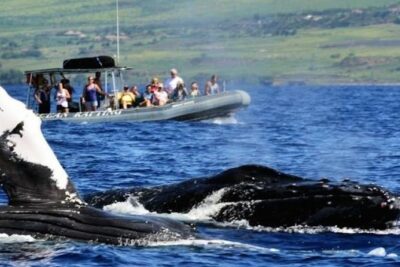
Maui Eco-Raft Tour: Eye-Level Whale or Dolphin Watching – Lahaina
Read our review →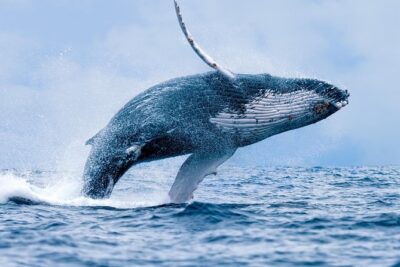
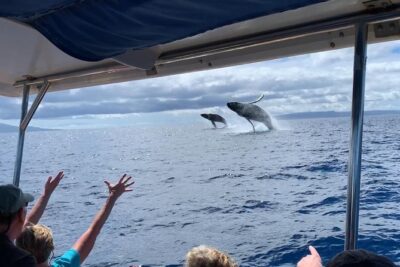
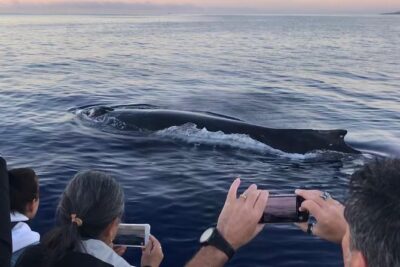
WHALES GUARANTEED Maui Whale Watching Makai Adventures
Read our review →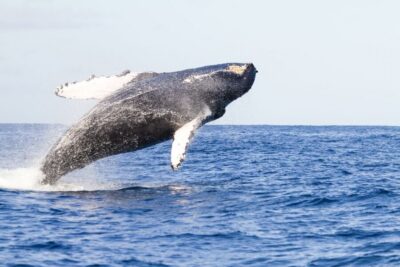
Ma’alaea Harbor: Whale Watching Tour Aboard Power Catamaran
Read our review →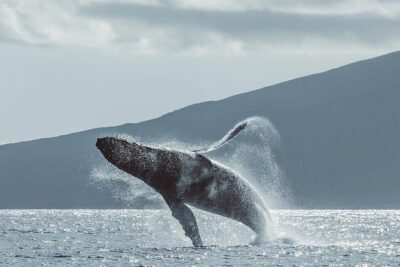
Whale Watching Cruise with Open Bar from Ka’anapali Beach
Read our review →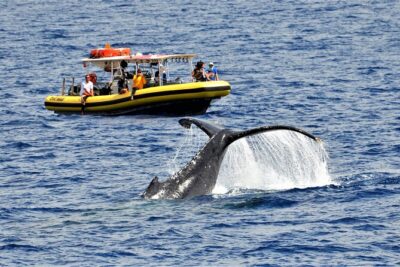
Whale Watching Maui: 2-Hour Small Group Raft Tour from Lahaina
Read our review →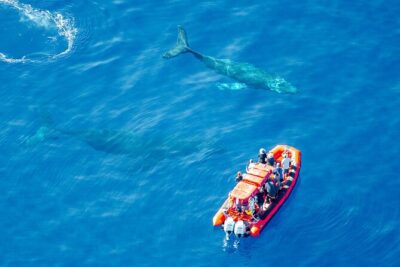
Browse the lists this tour appears in