
Reviewed · WEST MAUI COAST TOURS
Regenerative Mango and Tropical Fruit Tour in West Maui
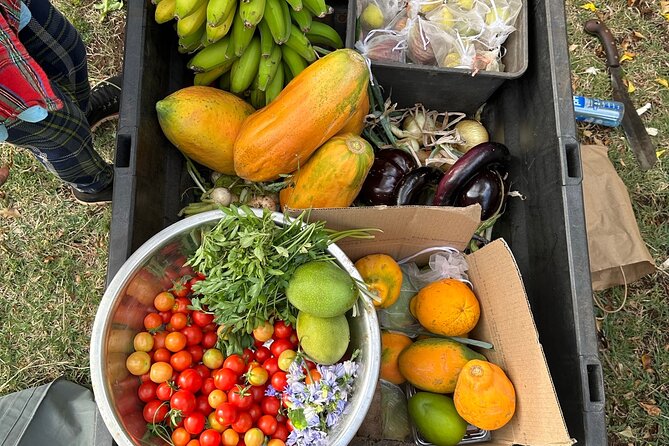
The best part of this West Maui farm tour is the fruit you taste straight from the plants. Mango gets top billing, but you may also sample papaya, pineapple, passion fruit, Surinam cherries, figs, starfruit, bananas, dragon fruit, cocoa, or ice cream beans, depending on the season. I especially like the small group size and the chance to hear how a working farm is managed without treating the land as a factory.
I also like the opening welcome drink under a giant passionfruit vine, followed by wide ocean and mountain views from the farm. The main drawback is plain but important: there are no bathrooms, and you must arrange your own transportation to 15 Wailau Place in Lahaina.
Key points to know before you book
- Seasonal fruit tasting: Mangoes are usually available from late May through early November, but other organic fruit is offered during the rest of the year.
- Small, personal setting: The tour accepts no more than eight people, so the visit feels closer to a farm conversation than a large commercial outing.
- Two-hour format: Expect 15 to 20 minutes of introduction, 45 to 60 minutes walking the farm, then fruit tasting and free time.
- Big views: The property looks toward both the Pacific and West Maui mountains, with good spots for photographs.
- No included transportation: You must reach 15 Wailau Pl, Lahaina, HI 96761, on your own.
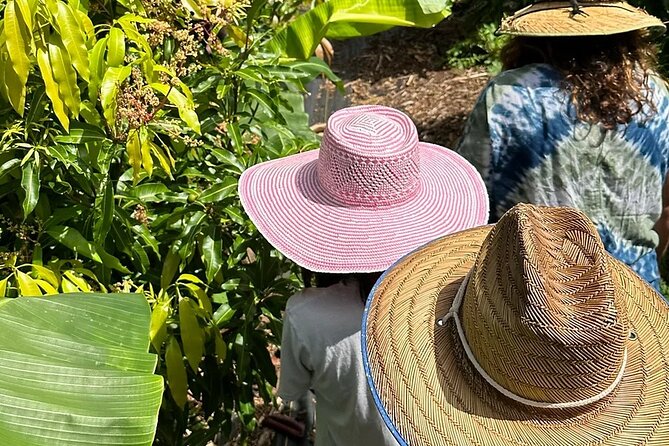
- Plan for outdoor conditions: Bees and mosquitoes have been noted, and the tour may be canceled for poor weather.
A small West Maui farm with a clear purpose
Maui Mango Mala Farm Tours is not a bus-sized plantation visit. It is a family-run farm experience limited to eight people, with the owners and hosts doing the explaining themselves. Smita and Andre are names that have come up during recent visits, and the tone is personal rather than scripted.
The farm’s focus is regenerative permaculture. That means the discussion is not only about growing mangoes. You learn how farming can work with soil, plants, water, and natural systems instead of relying only on conventional inputs and single-crop production.
That distinction gives the visit more substance than a quick fruit tasting. You get a look at the thinking behind the farm, including the owners’ own experience managing the property. If you already care about sustainable agriculture, you will find plenty to consider. If the subject is new to you, the short introduction gives you useful context before the walking portion begins.
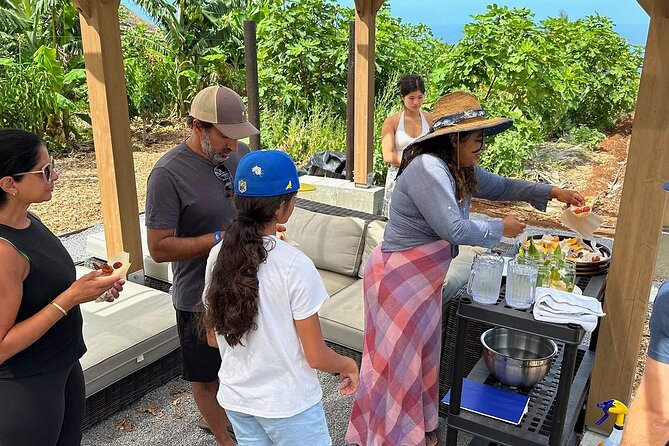
The setting helps. You are not sitting in a classroom hearing an abstract talk about farming. You are under a trellis covered by a large passionfruit vine, looking out toward the sea and mountains while holding a fresh drink. It is an easy way to begin.
More West Maui coast tours:
- West Maui Half Day Snorkel from Ka’anapali Beach
★ 5.0 · 1,253 reviews - West Maui Snorkeling Experience by Boat from Ka’anapali
★ 5.0 · 881 reviews - West Maui Mountain Waterfall and Ocean Tour via Horseback
★ 5.0 · 845 reviews
The opening talk under the passionfruit trellis
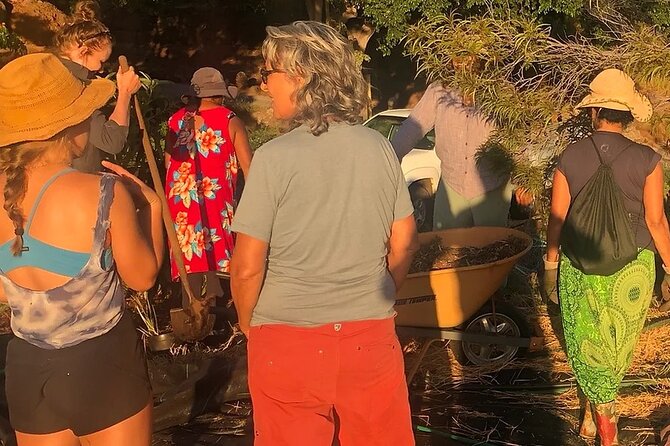
The first 15 to 20 minutes take place in the shaded welcome area. A refreshing drink is served while the host gives a short introduction to Hawaiian history and agriculture in West Maui.
This opening matters because it places the farm in a wider setting. You get a basic sense of how agriculture fits into the island’s past, then move into the difference between traditional farming and regenerative permaculture farming. The guide speaks from personal experience, so the conversation is tied to actual work on the property.
Do not expect a university lecture or a technical soil-science course. The strength here is a practical introduction. You can ask questions, see the farm around you, and then watch the ideas take shape as you walk among the plants.
The trellis is also a smart meeting spot. It gives you shade at the start, a place to settle in, and a fine first photo opportunity. If you arrive early, take in the view before the formal walk begins.
Walking among mangoes, bananas, and unusual fruit
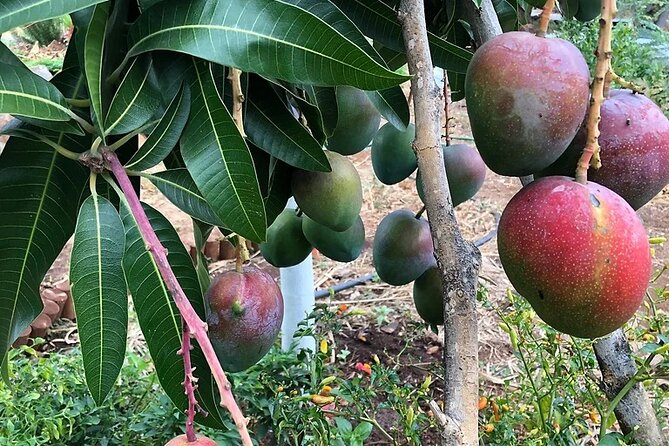
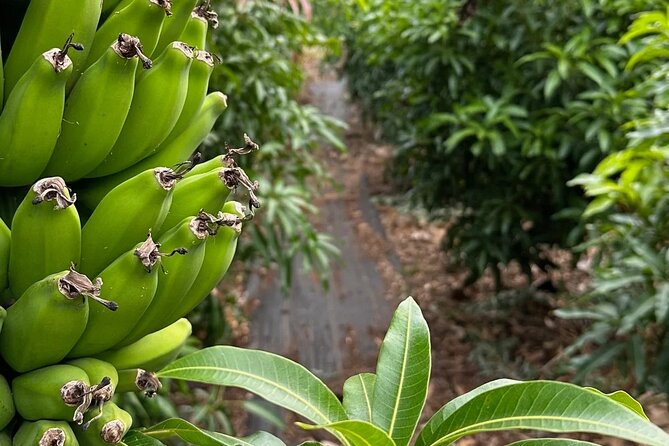
The walking tour usually lasts 45 to 60 minutes. You move through areas planted with pineapple, papaya, Surinam cherries, figs, starfruit, bananas, and mangoes. Other fruit mentioned on the property includes Meyer lemons, passion fruit, dragon fruit, cocoa, and ice cream beans.
The exact tasting list changes. That is part of the deal with a working farm. A plant may be present but not ready to eat, and mangoes may not be in season. You should think of the experience as a seasonal farm walk, not a guaranteed menu.
When fruit is ripe, the guide offers samples as you go. This is where the tour becomes more than a standard garden visit. You are not simply looking at labeled trees. You may taste fruit directly from the plant, compare different kinds of mango, or try something you would not normally find at a supermarket.
Mango season generally runs from late May to early November. If mango is your main reason for booking, choose dates within that window and still understand that availability can change. Outside mango season, the farm continues to offer other fruit, including papaya and bananas.
Some of the most useful moments come from the small details. A family visit included a toddler picking fruit along the way, while other visitors sampled several types of fruit directly from the plants. That makes the walk a good fit for families who want something hands-on, as long as everyone is comfortable outdoors.
Views across the ocean and West Maui mountains
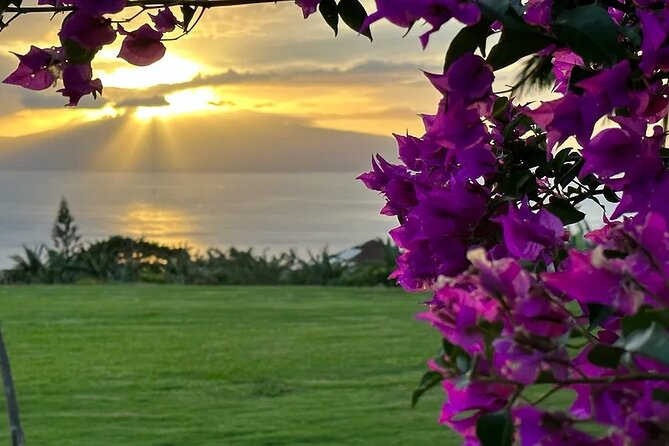
The farm sits in a spot with strong visual appeal. As you walk, you can look toward the ocean on one side and the mountains on the other. The guide points out the best places for photographs, and the hosts have also taken pictures for couples.
I would allow time to stop rather than treating the walk as a race. The tour is only about two hours, but the views reward a slower pace. You will want to pause with a plate of fruit, look over the property, and take a few photos from the higher or more open points.
The scenery is not a separate sightseeing stop. It is part of the farm itself. You see fruit trees, working growing areas, the sea, and the mountains in one visit. That combination gives the tour a strong sense of place without requiring a long drive around the island.
The welcome area remains available after the main tour. You can spend some extra time there and try for a sunset photograph with the view. Sunset timing depends on your booking time and the day’s conditions, so do not assume every departure includes sunset.
Same island, a completely different kind of day:
- Maui Pineapple Farm Tour in Haliimaile
★ 5.0 · 2,855 reviews - Small-Group Road to Hana Adventure Tour with Pickup & Lunch
★ 5.0 · 2,637 reviews - Maui Eco-Raft Tour: Eye-Level Whale or Dolphin Watching – Lahaina
★ 5.0 · 2,482 reviews - Maui Snorkeling Adventure to Molokini and Turtle Town
★ 4.5 · 2,221 reviews
The final fruit plate and free time
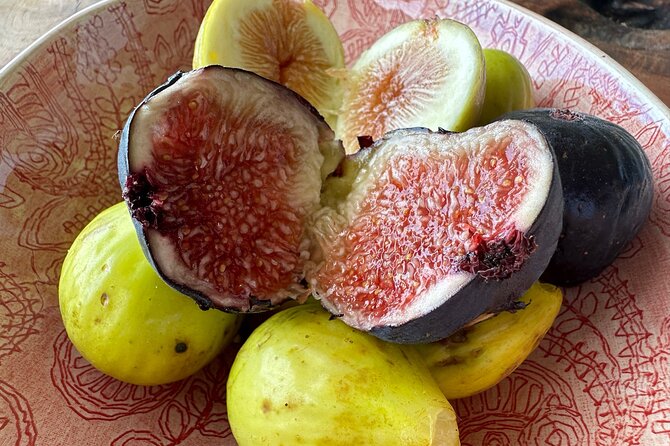
After the walk, you return to the welcome area for a plate of seasonal fruit. This is the most relaxed part of the visit and gives you a chance to compare what you have seen in the field.
The plate is not fixed. Mangoes may appear during the season, while other dates could feature papaya, pineapple, bananas, cherries, figs, starfruit, or another ripe crop. This uncertainty is worth accepting because it keeps the tasting tied to what the farm can actually provide.
The fruit has drawn some of the strongest praise, especially the mango and papaya. You may also have the chance to try several mango types, which adds interest if you already know and like the fruit. The emphasis is on freshness and variety rather than a polished restaurant-style presentation.
Once the tasting ends, you have time for self-guided exploring around the welcome area. A small store also sells handmade clothing. That is a modest extra, not the purpose of the visit, but it gives you something to browse before leaving.
Why the eight-person limit matters
A maximum of eight people changes the feel of the tour. You can hear the host without standing in a crowd, ask questions during the walk, and spend more time looking at individual plants.
The small size also suits the subject. Regenerative farming is easier to understand when the guide can point to a real tree, explain what is happening on this property, and answer questions in plain language.
This is not the right pick if you want a large attraction with many formal exhibits, a gift shop full of products, or guaranteed access to every crop. It is better for you if you prefer a quiet, personal visit with room for conversation.
The hosts have been described as warm and welcoming, and that matters here because the experience depends heavily on the person leading it. Smita and Andre have both been named as hosts, and their personal connection to the farm is a central part of the visit.
Is $85 a fair price?
At $85 per person, this is not a cheap fruit snack. You are paying for roughly two hours of guided time, a welcome drink, farm access, a walking tour, seasonal samples, and a fruit plate.
The value is strongest when you want three things in one outing: an educational talk, a small farm visit, and a scenic tasting experience. The personal format also adds value compared with a large commercial farm tour, especially if you want direct conversation with the people who run the property.
The price feels less worthwhile if your only goal is to eat mango. Mango may not be available, and the fruit selection changes with the season. You are buying an experience built around farming and place, not a promise of a particular tasting menu.
The 4.9 rating from 54 reviews and a 100 percent recommendation rate suggest that the experience has been very consistent for its audience. Still, the best match is a person who likes learning where food comes from and does not need a polished attraction.
Practical details that can affect your visit
The meeting point is 15 Wailau Pl, Lahaina, Hawaii 96761. Transportation is not included, so you need to make your own way there. The tour ends at the same location.
The activity is offered in English and uses a mobile ticket. Confirmation arrives at booking, and most people can take part. Service animals are allowed.
Wear something suitable for a farm walk and bring the mindset for outdoor conditions. Bees and mosquitoes have been mentioned, so insect protection is sensible. The provided information does not list a bathroom, and the hosts have warned people about this during renovations. Use a restroom before arriving.
Good weather is required. If weather forces a cancellation, you can choose another date or receive a full refund. The tour also requires a minimum number of participants, so an undersubscribed departure can be canceled with the same choice of another date or a refund.
You can cancel for a full refund up to 24 hours before the start time. Inside that window, refunds are not available and changes are not accepted.
The tour is often booked about 30 days ahead. That is useful to know if you are visiting during a busy Maui period or if mango season is important to you.
Who should book this farm tour?
I would recommend it to couples looking for a quiet change from beaches and resort activities. The combination of fresh fruit, views, and help with photographs gives the visit a special feel without turning it into a long excursion.
Families can also do well here. Children get to see fruit growing and may be able to taste or pick ripe produce along the way. Just remember that this is a working farm, not a play area, and the outdoor setting includes insects and uneven walking conditions.
It suits anyone curious about sustainable agriculture, local food, or Hawaiian farming. You do not need prior knowledge of permaculture. The introduction is designed to explain the basic idea before you see how it works on the property.
I would be more cautious if you need a bathroom on site, cannot handle bees or mosquitoes, require transportation, or want mangoes guaranteed. I would also skip it if your main aim is a fast, air-conditioned attraction.
Should you book Maui Mango Mala Farm Tours?
Book it if you want a personal West Maui experience built around real food, farming, and views. The small group, owner-led approach and changing seasonal fruit list give it an honest character that a large commercial tour cannot easily copy.
For the best chance at mango tasting, aim for late May through early November, but keep your expectations flexible. Bring water, insect protection, and a camera, use a restroom before you arrive, and allow time after the tasting for photographs.
At $85, it is a considered purchase, not an impulse stop. For the right person, the chance to learn how a small regenerative farm works and taste fruit at its source makes the cost reasonable. If that sounds like your kind of Maui afternoon, this is a strong choice.
FAQ
Where does the tour begin?
The tour begins at 15 Wailau Pl, Lahaina, HI 96761, USA.
Where does the tour end?
The activity ends back at the meeting point.
How long does the tour last?
The tour lasts approximately two hours.
How many people can join the tour?
The maximum group size is eight people.
Is transportation included?
No. Transportation to and from the farm is not included.
Are mangoes available all year?
No. Mango season generally runs from late May to early November. Other seasonal fruit is available at different times of year.
What fruit might I taste?
Depending on availability, you might taste mangoes, pineapple, papaya, Surinam cherries, figs, starfruit, bananas, passion fruit, dragon fruit, Meyer lemons, cocoa, or ice cream beans.
Are bathrooms available?
Bathrooms are not included at the site. The hosts have also notified visitors about this during renovations.
Is the tour offered in English?
Yes. The tour is offered in English.
What happens if bad weather cancels the tour?
You will be offered another date or a full refund if poor weather causes cancellation.
What is the cancellation policy?
You can cancel at least 24 hours before the start time for a full refund. Cancellations or changes made within 24 hours are not refunded or accepted.
Just added around Maui
- Whale Watch Sail Ma’alaea★ 4.9 · 27 reviews
- Wailea-Makina: Sea Caves, Molokini Snorkel & Turtle Town★ 4.9 · 37 reviews
- West Maui and Molokai Special 45-Minute Helicopter Tour★ 5.0 · 9 reviews
- 2.5 Hour Whale Escape Tour★ 5.0 · 44 reviews
- Turtle Town Clear Kayak & Snorkel Tour (8am-11am)★ 5.0 · 6 reviews
- Maui: Private All-Inclusive Road to Hana Tour with Pickup★ 5.0 · 28 reviews
- Zumba Classes in Kihei Maui – Private or Group (This class is high impact )★ 4.5 · 6 reviews
- Whalewatch Deluxe Tour from Ma’alaea Harbor★ 4.5 · 37 reviews
West Maui Coast Tours, compared.

West Maui Half Day Snorkel from Ka’anapali Beach
Read our review →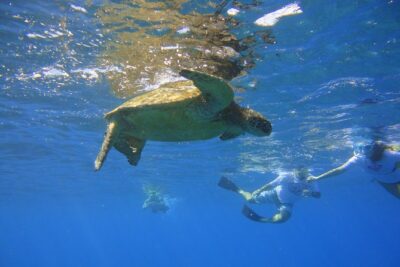
West Maui Snorkeling Experience by Boat from Ka’anapali
Read our review →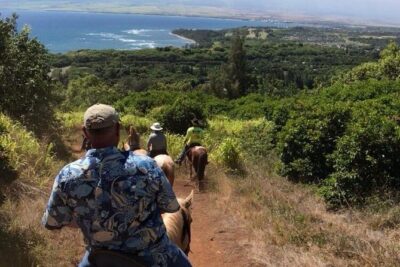
West Maui Mountain Waterfall and Ocean Tour via Horseback
Read our review →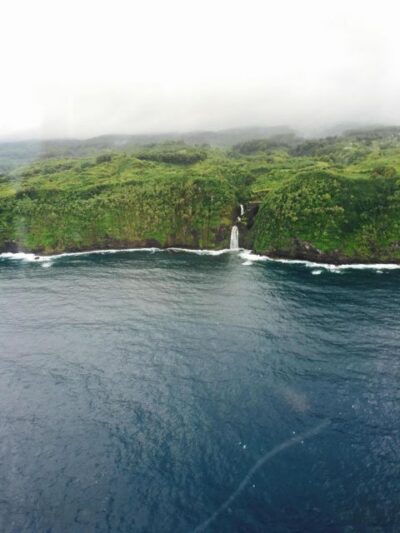
West Maui and Molokai Special 45-Minute Helicopter Tour
Read our review →

Doors Off West Maui and Molokai 45 minute Helicopter Tour
Read our review →
West Maui Afternoon Snorkel from Ka’anapali Beach
Read our review →
West Maui Snorkeling & Sailing Day Trip with Lunch
Read our review →Browse the lists this tour appears in