

Reviewed · WEST MAUI COAST TOURS
Hike Honolua Ridgeline
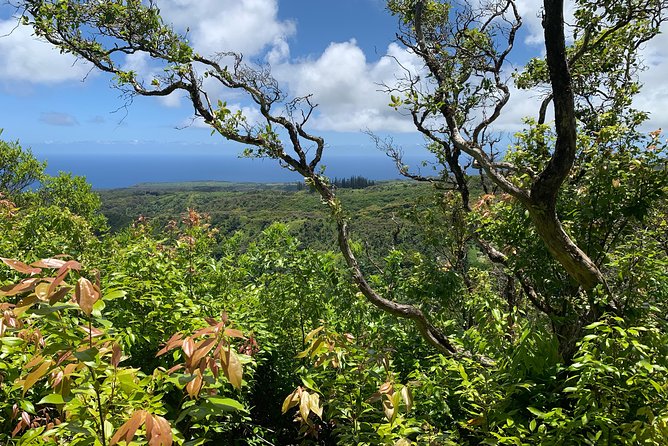
The best part of this three-hour hike is the access. You leave the usual Maui sightseeing route and enter private conservation land near the Puʻu Kukui Watershed Preserve, where the trail becomes a living lesson in native plants, water, and land care. The two-mile route follows the Honolua Ridgeline beneath a shaded forest canopy, with striking valley views along the way.
I like the small-group format, capped at 12 people, and I like the guides’ strong command of Maui’s ecology. Jason, Yancy, and Kevin have each been praised for making the plants and conservation work easy to understand. The hike also moves at a friendly pace, and walking sticks are provided.
The main thing to consider is the trail surface. This is not a hard athletic trek, but some spots can be slippery, and you need a moderate level of fitness. Also, the advertised snack is modest: fresh Maui Gold pineapple, not a meal.
Key points to know before you book

- Private conservation land: You get access to an area connected with the Puʻu Kukui Watershed Preserve, rather than simply walking a public roadside trail.
- Two-mile route: The hike lasts about 3 hours and 15 minutes, with frequent stops for plant, water, and conservation explanations.
- Guides make the difference: Jason, Yancy, and Kevin have been praised for their plant knowledge, clear teaching, and easy conversation.
- Shaded forest and open lookouts: Much of the walk passes beneath trees, while ridgeline viewpoints open toward Maui’s valleys.
- Moderate, family-friendly effort: A 12-year-old and a less active adult completed the hike comfortably, though slippery sections require care.
- Fresh pineapple at the end: Expect a few pieces of Maui Gold pineapple as a light bite, not substantial food.
Entering Maui’s private conservation lands
The meeting point is at 800 Office Road in Lahaina, with a 9:00 a.m. start. The hike ends back at the same place, so you do not need to arrange a second pickup or figure out a one-way route afterward.
That simple setup matters. You can leave your car, meet the guide, and focus on the walk without spending part of the morning managing transportation between trailheads. The group size is limited to 12, which gives the guide a reasonable chance to answer questions and keep the pace together.
The setting near Puʻu Kukui Watershed Preserve gives this outing a clear purpose. You are not just looking at trees and ridges. You are learning why Maui’s upland forests matter, how water connects the mountains to island life, and what conservation teams do to protect the native ecosystem.
The private-land access is one of the strongest reasons to choose this hike. A regular walk might show you attractive scenery. This one adds context about why the forest is being protected and how native and invasive plants affect the area.
More West Maui coast tours:
- West Maui Half Day Snorkel from Ka’anapali Beach
★ 5.0 · 1,253 reviews - West Maui Snorkeling Experience by Boat from Ka’anapali
★ 5.0 · 881 reviews - West Maui Mountain Waterfall and Ocean Tour via Horseback
★ 5.0 · 845 reviews
A two-mile route with room to look around
The hike covers about two miles, but the time is roughly 3 hours and 15 minutes. That tells you what kind of outing this is. It is not a race to cover ground. The guide uses the route as an outdoor classroom, stopping to point out plant life, explain the watershed, and discuss conservation work.
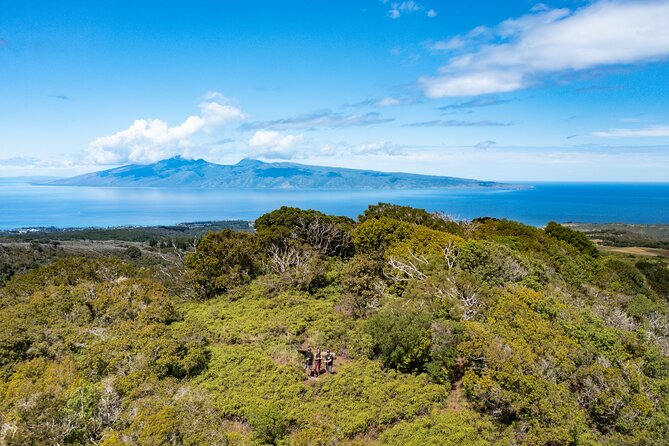
Much of the path runs under a canopy of shade. That makes the morning more comfortable than an exposed hike, though you should still come prepared for normal outdoor conditions. The route follows the Honolua Ridgeline and includes lookouts where you can see into beautiful valleys that are not easily reached on a casual Maui drive.
The views are important, but they are not the whole point. I would choose this hike for the mix of scenery and explanation. The ridgeline gives you something to see, while the guide helps you understand what you are seeing.
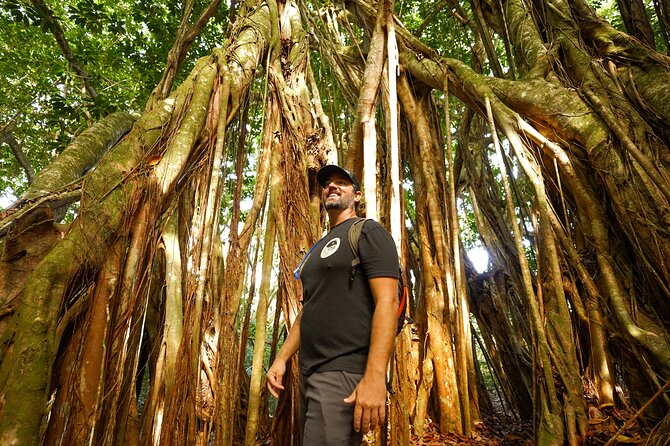
You may also encounter large forest trees, including a huge banyan noted along the route. The experience is strongest when you slow down for these details. The guide can turn a tree, vine, or patch of forest into part of a larger story about native species, introduced plants, and the island’s connection to water.
What the guide adds to the forest
A guide is especially valuable here because the appeal is not always obvious at first glance. Without explanation, you might see a pleasant wooded trail and a few fine views. With the right guide, you begin to notice which plants belong here, which ones are invasive, and why protecting the watershed requires ongoing work.
Jason has been singled out for explaining the plants and the area throughout the hike. Yancy brings a strong interest in botany and Maui’s conservation efforts, while Kevin has been described as both informed and entertaining. Guide assignments can vary, so you should not assume a particular person will lead your outing, but the experience has a clear emphasis on interpretation.
I like that the teaching seems woven into the walk instead of treated as a long speech at the start. You move, stop at useful places, take in a view, and then learn how that place fits into the island’s ecology. That keeps the information connected to something you can see.
The guides also help set the pace. This is useful if your group includes mixed abilities. One family completed the walk with a 12-year-old and an adult who rarely hikes, and found the outing manageable. That does not mean the trail is effortless. It means the route can work well when the group takes its time.
The slippery sections and the real level of effort
The hike is described as mild to moderate rather than strenuous. You should still have a reasonable level of fitness, as the activity requires walking along a ridgeline trail for two miles. The exact effort can feel different from person to person, especially on uneven or damp ground.
The most practical warning is that some sections can be slippery. That may be the result of trail conditions, so careful footing matters. Walking sticks are provided, which is a thoughtful touch and useful support on sections where balance is more important than speed.
Wear shoes suited to a trail rather than smooth sandals. The supplied information does not specify a footwear requirement, but the mention of slippery spots and walking sticks makes sturdy, comfortable footwear the sensible choice.
I would not book this as a purely casual stroll if you have trouble walking on uneven ground. On the other hand, you do not need to be a serious hiker. The distance is short, the pace is designed around interpretation, and the route has enough shade and stopping points to make it approachable for many moderately active people.
More hikes on Maui:
- Small Group Waterfall and Rainforest Hiking Adventure on Maui
★ 5.0 · 1,417 reviews - Waterfall & Rainforest Hiking Adventure with Hotel Pickup
★ 5.0 · 518 reviews - Road To Hana: Maui Waterfall Hiking Tour in Private Jeep
★ 5.0 · 343 reviews - Maui: Rainforest Waterfalls Guided Hike with Picnic Lunch
★ 4.9 · 274 reviews
Views from the Honolua Ridgeline
The ridgeline lookouts are among the most rewarding parts of the route. From these points, you can see valleys from an angle that you would not get from the main sightseeing stops. The views give the walk a sense of scale and make clear how much of Maui’s interior remains shaped by water and forest.
I like the contrast between the shaded path and the open viewpoints. Under the trees, the guide can focus on plants, species, and forest care. At the lookouts, your attention shifts to the valleys and the wider relationship between the uplands and the rest of the island.
The views are not presented as a quick photo stop and nothing more. They connect to the lesson about the watershed. Water begins in the high country, and the health of the forest affects the island beyond the trail itself. That is a useful idea to carry with you for the rest of your time in Hawaii.
Bring your patience for pauses. If you want to cover two miles as quickly as possible, this is not the right tour. If you enjoy stopping to look, ask questions, and understand the setting, the slower rhythm is part of the value.
Native plants, invasive species, and water
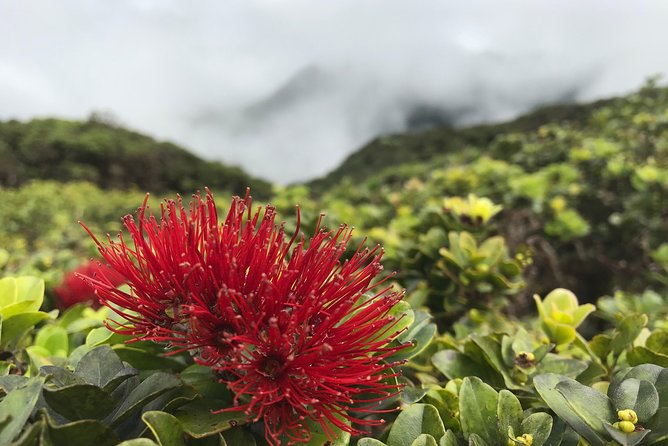
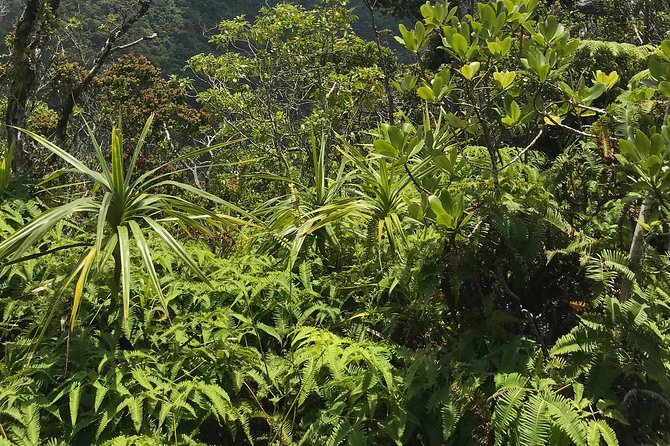
The conservation message gives the hike more substance than a standard nature walk. You learn about native species, invasive plants, and the work needed to support a thriving ecosystem. The guide also explains the sacred connection between Hawaii and water, a theme that helps place the trail in a cultural as well as environmental setting.
That connection is worth your attention. A watershed is not just a mountain area with trees. It is part of the system that holds and moves water, supports plant life, and affects communities downstream. The hike uses the forest to make that idea understandable without turning the outing into a technical lecture.
You will likely get the most from this tour if you are curious about how places function, not only how they look. Families, gardeners, students, and anyone interested in Hawaii’s ecology should find plenty to think about. The plant discussion may also appeal to repeat visitors who have already seen Maui’s beaches and want a different side of the island.
The educational focus does mean the tour is less suited to someone looking only for a strenuous workout or a long scenic trek. The guide is there to explain, not simply to lead you from one viewpoint to another.
The small pineapple snack and overall value

Fresh Maui Gold pineapple is offered at the end of the walk. It is a pleasant local touch, especially when it is cut fresh, but keep your expectations in check. The portion is only a few pieces, so you should eat breakfast beforehand and not count on this as lunch.
That modest snack is a minor point, but it is useful to know when judging value. The real value of the outing is the private access, the small group, and the guide’s interpretation of the forest. If you are paying mainly for food or a physically demanding adventure, you may come away disappointed.
If you value access and instruction, the calculation looks better. You receive about three hours and 15 minutes in a setting that is not simply an open public path, with a guide focused on native ecology and conservation. You also get views, walking sticks, and a well-contained route that begins and ends at the same meeting point.
The 100 percent recommendation rate and five-star score from 76 ratings suggest very strong satisfaction, but the practical details matter more than the number. The hike works best when you want a calm, informative morning in the forest and understand that the snack is light.
Who will get the most from this hike
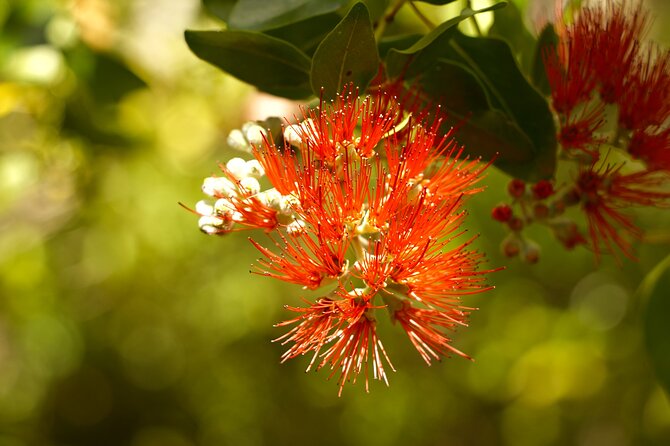
I would recommend the Honolua Ridgeline hike to you if you want to:
- Learn about Maui’s native forest instead of only photographing it
- See private conservation land near Puʻu Kukui Watershed Preserve
- Walk at a relaxed pace with frequent explanations
- Add valley views to a plant and watershed lesson
- Bring a family group with mixed hiking experience
- Meet a guide who can explain native and invasive species in plain terms
It is also a strong choice for repeat visitors. If you have already spent time along Maui’s coast, this outing gives you a look at the island’s upland ecology and the conservation work behind it.
I would think twice if you need a fully flat or completely dry trail, dislike stopping for interpretation, or want a long and demanding hike. The route is not presented as strenuous, but the slippery sections mean you must be comfortable with normal trail uncertainty.
The experience is offered in English and has a maximum group size of 12. Confirmation arrives when you book. If poor weather cancels the outing, you can choose another date or receive a full refund. The same applies if the minimum number of participants is not reached. You can cancel for a full refund up to 24 hours before the 9:00 a.m. start, but cancellations or changes inside that window are not refunded or accepted.
Should you book the Honolua Ridgeline hike?
Book it if you want a thoughtful, small-group walk that combines Maui scenery with real conservation context. The private land access, shaded two-mile route, valley lookouts, and guides such as Jason, Yancy, and Kevin give the morning more depth than a simple nature stroll.
Go in with the right expectations. This is a moderate hike, not a major physical challenge. The trail can be slippery, and the pineapple snack is small. For anyone interested in Hawaii’s plants, water, and land care, though, those are minor tradeoffs for a well-paced look at a side of Maui you might otherwise miss.
FAQ
Where does the Honolua Ridgeline hike begin?
The hike begins at 800 Office Road, Lahaina, Hawaii 96761.
What time does the hike start?
The scheduled start time is 9:00 a.m.
How long does the experience last?
The hike lasts approximately 3 hours and 15 minutes.
How far do you walk?
The route covers about two miles, or 3.2 kilometers.
Where does the hike finish?
The activity ends back at the meeting point.
Is the hike difficult?
A moderate level of physical fitness is recommended. The hike is generally described as mild to moderate, but some sections can be slippery.
Are walking sticks provided?
Yes. Walking sticks are thoughtfully provided for use on the trail.
How large is the group?
The activity allows a maximum of 12 participants.
Is the tour offered in English?
Yes. The experience is offered in English.
What happens if bad weather cancels the hike?
You will be offered another date or a full refund if poor weather causes the activity to be canceled.
Just added around Maui
- Whale Watch Sail Ma’alaea★ 4.9 · 27 reviews
- Wailea-Makina: Sea Caves, Molokini Snorkel & Turtle Town★ 4.9 · 37 reviews
- West Maui and Molokai Special 45-Minute Helicopter Tour★ 5.0 · 9 reviews
- 2.5 Hour Whale Escape Tour★ 5.0 · 44 reviews
- Turtle Town Clear Kayak & Snorkel Tour (8am-11am)★ 5.0 · 6 reviews
- Maui: Private All-Inclusive Road to Hana Tour with Pickup★ 5.0 · 28 reviews
- Whalewatch Deluxe Tour from Ma’alaea Harbor★ 4.5 · 37 reviews
- Zumba Classes in Kihei Maui – Private or Group (This class is high impact )★ 4.5 · 6 reviews
West Maui Coast Tours, compared.

West Maui Half Day Snorkel from Ka’anapali Beach
Read our review →
West Maui Snorkeling Experience by Boat from Ka’anapali
Read our review →
West Maui Mountain Waterfall and Ocean Tour via Horseback
Read our review →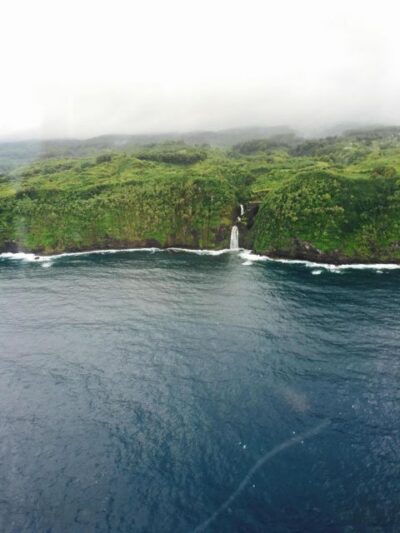
West Maui and Molokai Special 45-Minute Helicopter Tour
Read our review →
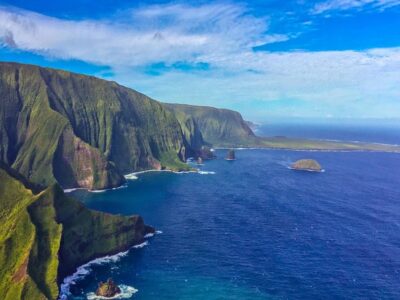
Doors Off West Maui and Molokai 45 minute Helicopter Tour
Read our review →
West Maui Afternoon Snorkel from Ka’anapali Beach
Read our review →
West Maui Snorkeling & Sailing Day Trip with Lunch
Read our review →Browse the lists this tour appears in