
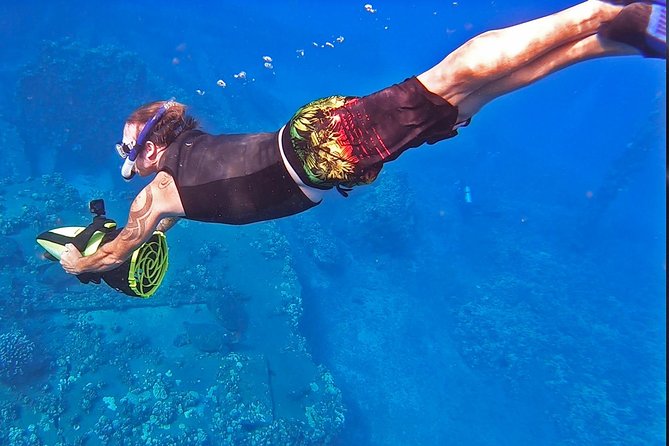
Reviewed · MAUI SEA SCOOTER SNORKEL TOURS
Eco Sea Scooter Guided Beach Tour From The Famous Kapalua Bay
Kapalua Bay is the setting, but the sea scooter is the star. You hold the small propeller unit in front of you and let it pull you across the water, covering more reef with less kicking. I like that the guides teach you first, then use the scooter to reach rocky points on both sides of the bay when conditions allow.
I also like the small group of no more than five people and the tour’s reef education. Guides such as Barbie, Martin, and G have been praised for making beginners feel at ease while pointing out turtles, fish, and coral. The main caution is cost clarity: the tour is $179, and flotation wetsuits may add $25 for children ages 10 to 15 and people without swimming or snorkeling experience.
Key points to know before booking
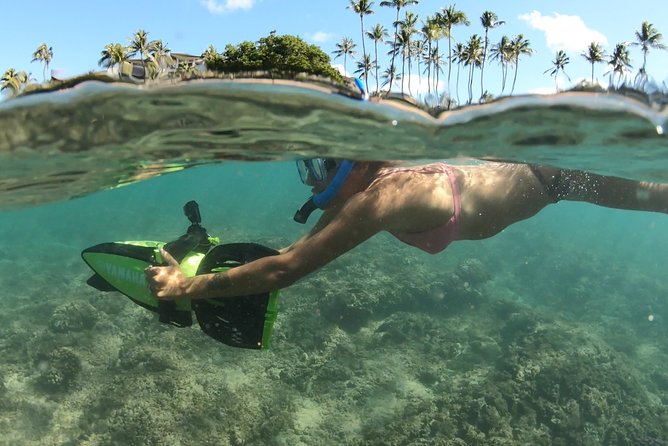
- Yamaha sea scooters do the hard work: The scooters reach a maximum speed of 3.7 mph and help you cover more water without tiring as quickly.
- Kapalua Bay offers shore-based reef access: You explore from the beach rather than taking a boat to Molokini or another offshore site.
- The group is capped at five people: That gives your guide room to offer one-on-one help with the scooter, mask, and snorkeling technique.
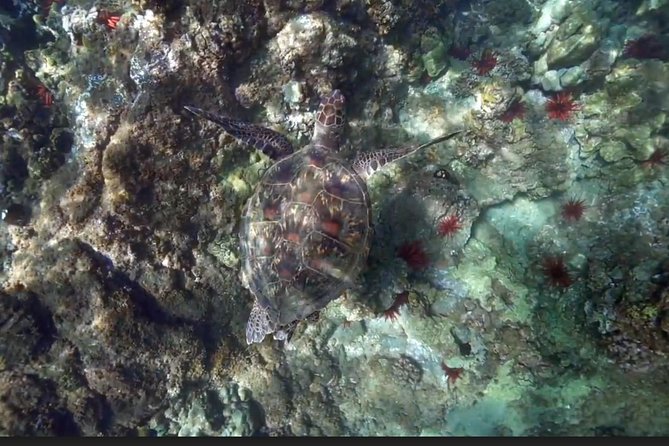
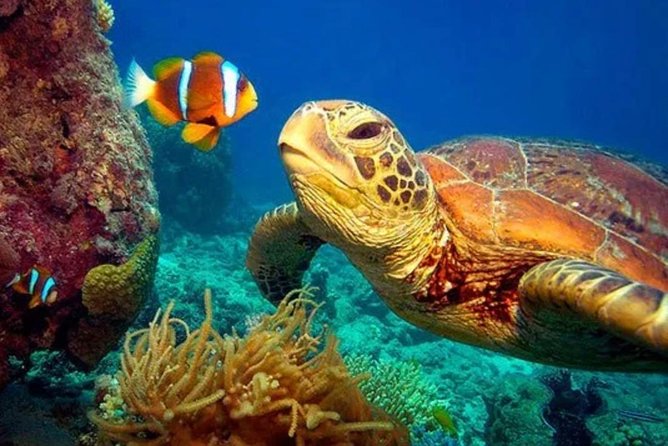
- Turtles and reef fish are possible highlights: Clear conditions have produced close looks at sea turtles, fish, and coral, though sightings and water visibility can change.
- The tour has a conservation angle: The operator works with the Hawaii Coral Institute to monitor reefs, educate visitors, and support reef restoration.
- You need real swimming ability: This is not a passive ride. You must swim, carry 20 pounds of equipment, and manage the scooter in the water.
Why the sea scooter changes a Kapalua Bay snorkel
Normal snorkeling can be tiring. You kick, adjust your mask, fight a current, and spend much of your energy simply getting from one patch of reef to another. A sea scooter changes that equation. You hold the unit with both hands, choose one of its three speeds, and let the propeller move you forward.
That extra range matters at Kapalua Bay. The tour aims to explore the long rocky points along both sides of the bay, weather permitting. Those areas can offer more to see than staying in one shallow patch near the sand, and the scooter lets you reach them with less leg work.
You still need to swim and control your body in the water. The scooter is not an automatic sightseeing machine. You must follow safety instructions, understand the hand signals, and keep loose clothing, strings, and long untucked hair away from the propeller. The operator also requires everyone to carry about 20 pounds, which includes the equipment you use.
The result should suit people who want a larger underwater view without signing up for a full boat excursion. One person who had already tried regular snorkeling at Molokini and Turtle Town preferred the scooter experience because it made it easier to travel farther and get down toward the reef. That comparison is useful, but you should still remember that Kapalua Bay conditions can vary from one morning to the next.
More West Maui coast tours:
- West Maui Half Day Snorkel from Ka’anapali Beach
★ 5.0 · 1,253 reviews - West Maui Snorkeling Experience by Boat from Ka’anapali
★ 5.0 · 881 reviews - West Maui Mountain Waterfall and Ocean Tour via Horseback
★ 5.0 · 845 reviews
Starting at 200 Hui Road and getting ready
The tour begins at 9:00 a.m. at 200 Hui Road, Lahaina, and you need to arrive 30 minutes early for check-in. There is no pickup service, so you arrange your own ride to the meeting point. The activity ends back there after roughly three hours.
The early arrival is not wasted time. Everyone signs a waiver, receives a safety briefing, and learns the hand signals used in the water. The guide also explains each piece of equipment before you enter the bay. This matters because sea scooters are simple to use once you understand them, but a rushed first lesson would make the experience less comfortable.
The supplied equipment includes masks, fins, defogger, equipment bags, safety gear, and reef-safe mineral sunscreen. Shark bands are used during guided tours. The safety equipment and clear hand signals are especially helpful in a small group, where the guide can watch how each person is handling the scooter before moving farther from shore.
You should wear swim clothing with nothing loose or dangling. Tie back long hair and tuck it away. Bring a towel, and bring your own GoPro if you want to record the outing. Each scooter has a GoPro hookup, but a camera is not supplied as part of the tour.
Learning the scooter before entering the reef
The guide starts with instruction rather than sending you straight into open water. That is one of the most important parts of the experience, especially if you have never used a scooter before. The machines have three speed settings and reach up to 3.7 mph, so you can begin at a pace that feels manageable.
The controls are designed to be approachable. You hold the scooter in front of you and let it pull you forward while you look through your mask. You do not need to make a complicated series of movements, but you do need to listen closely and keep the unit pointed where you want to go.
Several guides have received praise for this teaching stage. Barbie has been singled out for giving a quick, clear course and helping people feel relaxed. Martin has been praised for explaining the reef and making the open-water portion enjoyable. G has also been noted for creating a welcoming atmosphere and helping with equipment.
A flotation wetsuit may be required in some cases. Children from age 10 to 15 must use one, and the operator also requires it for people without swimming or snorkeling experience. The additional cost is $25 per suit. Adults who are comfortable swimmers may not need to rent one, but you should confirm your situation before booking so the price does not come as a surprise at check-in.
Exploring the white sand and rocky points
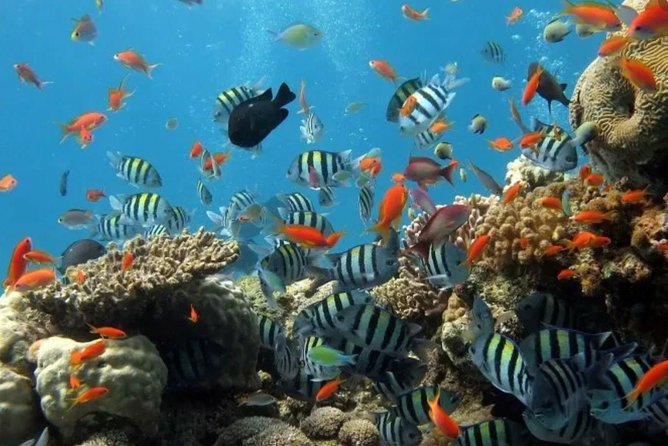
Once the group is ready, the tour moves into the water from the beach. Kapalua Bay is known for its white sand, and the shore-based start keeps the outing simple. You do not spend the morning riding to an offshore location. Instead, the time goes toward learning the equipment and exploring the reef area.
The planned route includes rocky points on both sides of the bay, depending on weather and water conditions. That flexibility is sensible. A guide who changes the route for safety can give you a better morning than one who sticks to a fixed plan in poor visibility or rough water.
You may see fish soon after entering the water, particularly when conditions are clear. The most frequently praised sightings are sea turtles, reef fish, and coral. One family described seeing turtles and many fish, while another group enjoyed close encounters with turtles near an uncrowded beach.
These are wild animals, not a staged show, so no guide can promise a particular number of turtles or a perfect reef. The experience is strongest when you view the scooter as a way to cover more natural habitat, not as a guarantee of specific wildlife. A past outing also included a blunt reminder that parts of the coral can look stressed. The conservation message is not just decoration. You may see both healthy marine life and signs of reef pressure.
More sea scooter snorkel trips on Maui:
- Sea Scooter Snorkeling Tour with GoPro – Wailea Beach
★ 5.0 · 251 reviews - E-Scooter Snorkel With Photo and Video At Turtle Town
★ 5.0 · 142 reviews - Wailea Beach: Guided Sea Scooter Snorkeling Tour
★ 5.0 · 77 reviews - Turtle Town Underwater Scooter Snorkeling Tour with GoPro
★ 5.0 · 36 reviews
A small group with room for personal help
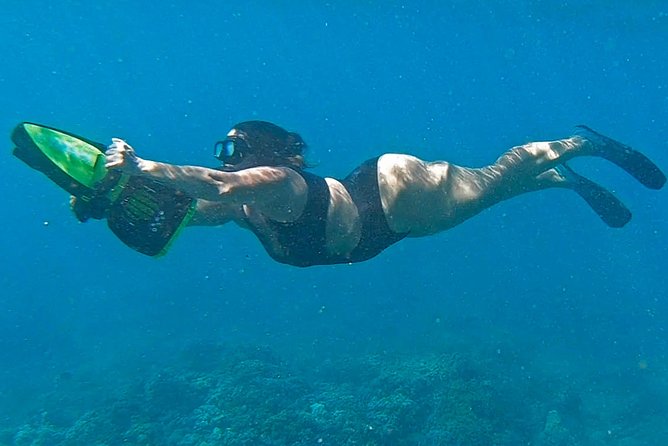
The five-person maximum is a major reason to consider this tour over a large snorkel boat. A small group gives the guide more time to check masks, correct scooter handling, and keep an eye on comfort levels. It also reduces the feeling of being part of a crowded line moving through the water.
That personal attention is useful for mixed groups. A confident swimmer can cover ground with the scooter, while a beginner may need extra time with the controls or a flotation wetsuit. The guide can adjust instruction without trying to manage dozens of people at once.
The small group does not remove every physical demand. You must be able to swim, carry 20 pounds, and participate in an activity that is not ADA accessible. Children under 10 are not accepted. If anyone in your party is unsure about swimming, clarify the wetsuit requirement before paying.
The guides also help with equipment on land. That practical assistance can make the start less awkward, particularly when you are carrying fins, masks, and the scooter toward the beach. Once you are in the water, however, you remain responsible for following directions and managing your own gear.
Reef education and the conservation purpose
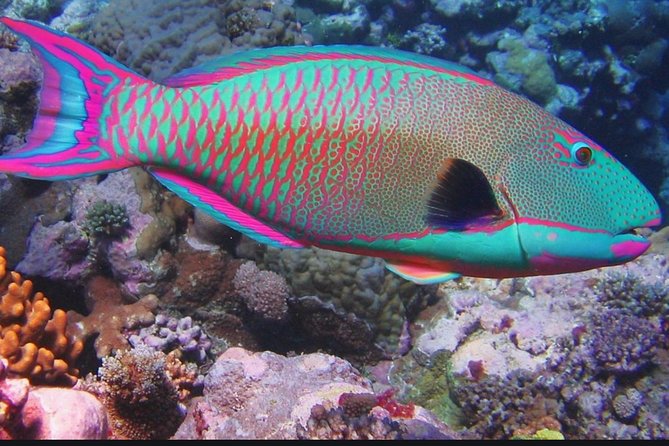
The operator works with the Hawaii Coral Institute to monitor reefs and educate people about local marine life. Guides explain the ecosystem while you are in the area, rather than treating the reef as scenery you simply pass over.
That adds value to the $179 price. You are paying for a small guided outing, equipment, instruction, safety support, and access to a larger area than you might cover by kicking alone. The conservation component also gives the trip a purpose beyond taking underwater photographs.
I would keep expectations realistic. A short snorkel tour cannot restore a coral reef by itself, and one morning will not turn you into a marine biologist. But learning how the reef is monitored and why careful behavior matters can change how you move through the water. Avoid touching coral, keep your equipment under control, and follow the guide’s route.
The tour’s message is to leave the reef better than you found it. That makes the experience a better fit for people who want nature interpretation along with recreation, rather than a fast equipment rental with no explanation.
Is $179 a fair price?
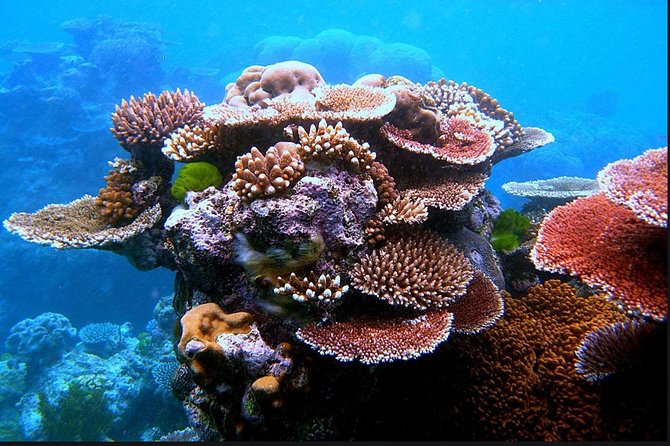
At $179 per person, this is not a budget beach activity. You can snorkel from Maui’s shore for much less if you already have equipment and do not need instruction. The price becomes easier to justify if you value the scooter, the small group, the guided route, and the chance to cover more reef with less fatigue.
The scooter is the feature that separates this from ordinary beach snorkeling. It can help you reach farther points and stay with the group without spending all your energy kicking. If you have tried snorkeling and found the physical part tiring, the extra cost may be worthwhile.
The value is less clear for a strong, independent swimmer who already owns a mask, fins, and camera. That person may prefer a self-guided shore session. You are also paying for a three-hour experience, not three full hours of uninterrupted time in the water. Check-in, instruction, gearing up, and returning equipment are part of the outing.
Ask about the flotation wetsuit before arrival, especially if you are booking for children or anyone with limited swimming experience. A surprise $25 charge can sour an otherwise excellent day, even though the suit serves a clear safety purpose.
Timing, weather, and cancellation details
The 9:00 a.m. start gives you a morning outing and leaves the rest of the day open. You should plan around the full three-hour window and the required 30-minute early arrival, not just the advertised start time.
Weather can affect the route or cancel the tour. If poor weather forces cancellation, you can choose another date or receive a full refund. For your own cancellation, you need to cancel at least 24 hours before the start time for a full refund. Changes or cancellations inside that 24-hour period are not refunded.
The operator may adjust plans when conditions are not suitable. That can be inconvenient if you have built a tight schedule, but it is the right call for a water activity that depends on visibility and sea conditions. Keep the next part of your day flexible if possible.
Who will enjoy this most
I would recommend this for adults and children age 10 or older who can swim and want more range than standard snorkeling provides. It is also a good choice for people who like learning about the reef and prefer a guide who can offer hands-on help.
It suits families, couples, and solo participants. The small group means a solo visitor is not lost in a large crowd, while a family can receive help at different skill levels. The flotation wetsuits may make the water feel more manageable for younger participants and inexperienced snorkelers, though the added fee should be part of your budget.
I would hesitate to recommend it to anyone uncomfortable in open water, unable to carry the equipment, or looking for an ADA-accessible activity. It is also not ideal if your main goal is a guaranteed turtle encounter or a boat trip to Molokini. Kapalua Bay is the focus, and wildlife sightings depend on nature.
Should you book the Kapalua Bay sea scooter tour?
Book it if you want a personal, educational snorkel outing and like the idea of covering more reef without constant kicking. The combination of a five-person limit, patient equipment instruction, sea turtles, fish, coral, and reef conservation information gives this experience more substance than a basic gear rental.
Before booking, confirm whether anyone in your party needs the $25 flotation wetsuit. Arrive early, bring a towel and your own GoPro if needed, wear secure swim clothing, and leave room in your schedule for weather changes.
For strong swimmers with their own equipment, the price may be hard to defend. For beginners, families, and anyone who finds regular snorkeling tiring, the scooter and close guide support can make the difference. On balance, I would choose this tour for the instruction, small group, and unusual way of seeing Kapalua Bay, with the extra rental cost and physical requirements clearly understood.
FAQ
Where does the tour start?
The tour starts at 200 Hui Road, Lahaina, Hawaii. You arrange your own transportation because pickup and return transportation are not provided.
What time should I arrive?
The tour starts at 9:00 a.m. You should arrive 30 minutes early for check-in, waivers, and preparation.
How long does the activity last?
The experience lasts approximately three hours and ends back at the meeting point.
What equipment is included?
The tour provides snorkel fins, masks, defogger, equipment bags, safety equipment, instructions, reef-safe mineral sunscreen, and shark bands used during guided tours.
Do I need to be able to swim?
Yes. Participants must be able to swim and carry 20 pounds. The activity is not ADA accessible.
Are flotation wetsuits required?
Children ages 10 to 15 must use flotation wetsuits. They are also required for people without swimming or snorkeling experience. The rental cost is $25 per suit.
What happens if bad weather cancels the tour?
You can choose a different date or receive a full refund if the tour is canceled because of poor weather. For your own full refund, cancel at least 24 hours before the start time.
Just added around Maui
- Whale Watch Sail Ma’alaea★ 4.9 · 27 reviews
- Wailea-Makina: Sea Caves, Molokini Snorkel & Turtle Town★ 4.9 · 37 reviews
- West Maui and Molokai Special 45-Minute Helicopter Tour★ 5.0 · 9 reviews
- Maui: Private All-Inclusive Road to Hana Tour with Pickup★ 5.0 · 28 reviews
- 2.5 Hour Whale Escape Tour★ 5.0 · 44 reviews
- Turtle Town Clear Kayak & Snorkel Tour (8am-11am)★ 5.0 · 6 reviews
- Whalewatch Deluxe Tour from Ma’alaea Harbor★ 4.5 · 37 reviews
- Zumba Classes in Kihei Maui – Private or Group (This class is high impact )★ 4.5 · 6 reviews
Maui Sea Scooter Snorkel Tours, compared.
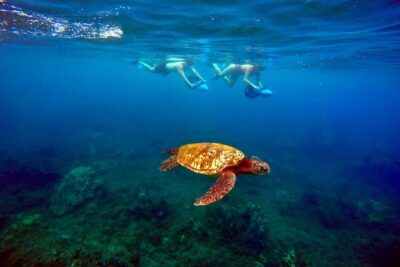
Sea Scooter Snorkeling Tour with GoPro – Wailea Beach
Read our review →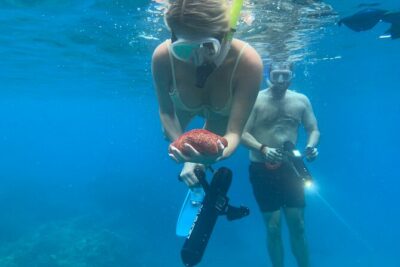
E-Scooter Snorkel With Photo and Video At Turtle Town
Read our review →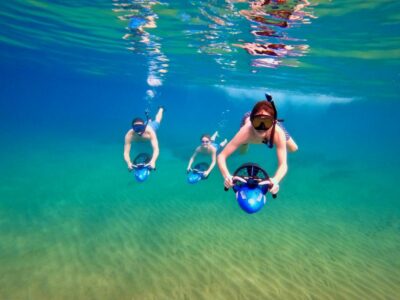
Wailea Beach: Guided Sea Scooter Snorkeling Tour
Read our review →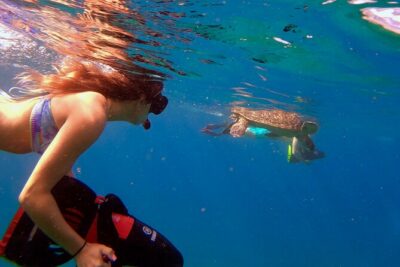
Turtle Town Underwater Scooter Snorkeling Tour with GoPro
Read our review →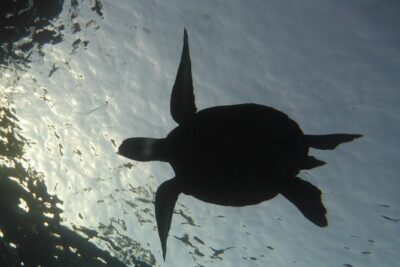
Underwater Scooter Dive (Certified Divers Only) Makena Wailea
Read our review →
Eco Sea Scooter Beach Entry – Rent a GoPro Video tape Sea Turtles
Read our review →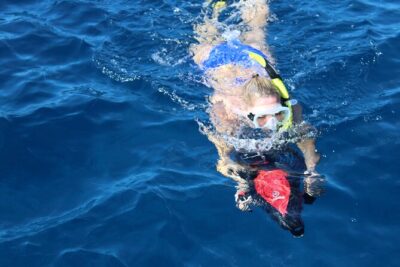
Private Guided Tours Beach Entry with Sea Scooters up to 5 guests
Read our review →Browse the lists this tour appears in