
Reviewed · MAUI SCUBA DIVING TOURS
Maui Scuba Diving Introductory Lesson from Lahaina
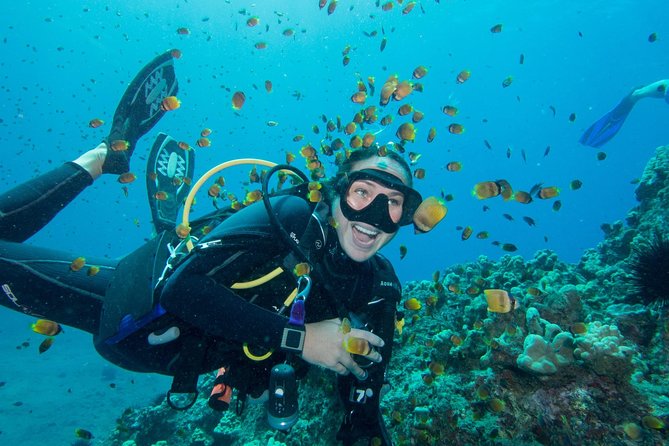
The best part of this Maui scuba lesson comes when you stop standing on the beach and begin breathing below the surface. At a maximum depth of 35 feet, you can move slowly over coral, look for green sea turtles, and get a close look at fish, eels, and other reef life without needing a full certification first. Small groups make a real difference here: the maximum is four people, and your instructor can watch your comfort level rather than herd a crowd.
I like two things in particular. First, the lesson begins indoors at the Lahaina shop, where you get about 45 minutes of instruction before handling the ocean. Second, the experience counts toward a future PADI certification, and registration with PADI is included at no extra cost if you decide to continue. The main caution is simple but important: you need basic swimming skills, good physical health, and enough patience to learn at the ocean’s pace. One poor experience described an instructor moving too quickly for a nervous participant, so speak up at once if you need to stop, equalize, or return to the surface.
Key things to know before booking
- Maximum four people: This is a small, closely supervised lesson, not a large boat excursion.
- About 35 feet at most: You stay in relatively shallow water, with reef scenery and possible turtle sightings.
- A 45-minute shop lesson comes first: You learn mask use, regulator breathing, buoyancy, and basic safety before entering the sea.
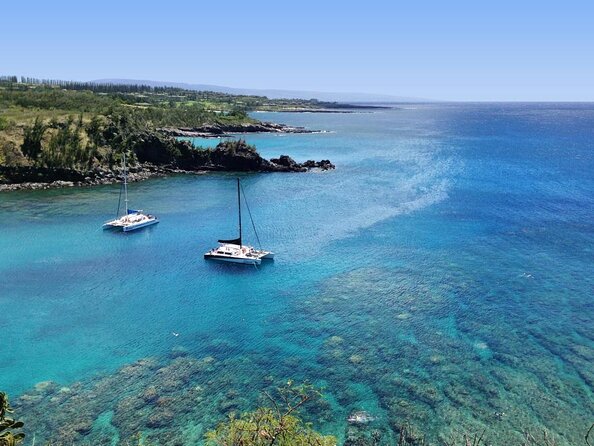
- Several West Maui sites may be used: Black Rock, Canoe Beach, Kapalua Bay, and other locations can change with ocean conditions.
- You must wait 18 hours before flying: That includes airplanes, helicopters, and a visit to Haleakala.
- A medical form is required: You must answer no to all medical questions or provide a doctor’s note where required.
What this Maui scuba lesson is really like
This is a first taste of scuba, not a quick swim with a tank strapped on. You meet at Extended Horizons Scuba, at 94 Kupuohi Street in Lahaina, at 7:30 a.m. The activity lasts about two hours and 15 minutes, including instruction, equipment preparation, travel to the beach, and time in the water.
The early start is useful. Morning conditions may be calmer, and you have the rest of the day free, although you cannot fly, take a helicopter, or visit Haleakala until 18 hours after the session. You also need to provide a working phone number, including WhatsApp if that is how you stay in touch. The operator sends the final meeting details the day before, and the exact water location can change.
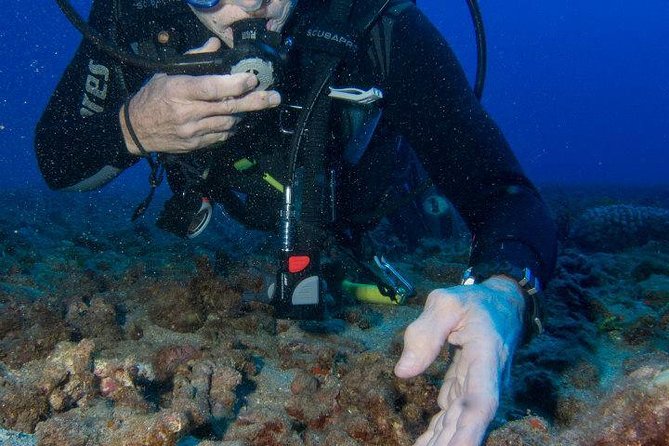
At the shop, you receive a basic lesson on how to put on and clear your mask, breathe through a regulator, control your buoyancy, and move safely underwater. You also receive a 15-minute online lesson link after submitting the waiver. That means the actual morning is not your first exposure to the material, which helps when you are already trying to manage fins, mask, breathing, and nerves.
The gear is included. You should send your shoe size in a men’s size before the activity so the operator can prepare the right equipment. Water is also included, but hotel pickup and drop-off are not. Plan to reach the Lahaina meeting point on your own.
More Lahaina tours and cruises:
- Maui Eco-Raft Tour: Eye-Level Whale or Dolphin Watching – Lahaina
★ 5.0 · 2,482 reviews - Maui: Lahaina ATV Adventure
★ 5.0 · 1,582 reviews - Maui: Ultimate Whale Watch from Lahaina
★ 5.0 · 1,162 reviews
The 45-minute lesson at Extended Horizons
I like the fact that the first serious instruction takes place at a scuba shop rather than in a parking lot or at the water’s edge. You have a place to focus, ask questions, and learn the purpose of each piece of equipment before the ocean adds its usual distractions.
The key skill is breathing through the regulator. For many beginners, the strange part is not the equipment itself but trusting that the regulator will provide air while the face is underwater. A careful instructor will help you settle into that feeling before asking you to swim around the reef.
You also learn buoyancy control. This is what lets you rise, sink, or remain at a comfortable depth without kicking hard or grabbing coral. It takes practice, and you should not expect to look polished right away. Several guides, including Bruce, Chris, Gu, Emma, Maya, and Philip, are praised in the supplied feedback for explaining the basics clearly and allowing beginners time to adjust.
The medical waiver deserves attention. You need to be in good physical health and moderately fit. If you answer yes to any of the medical questions, you may need a doctor’s note before you can take part. Do not leave this until the morning of the activity. The waiver must be submitted before you go.
Entering the water at a West Maui beach
After the class, you travel to a nearby beach and wade into the ocean with your instructor. The water entry is part of the learning process. You are not simply dropped at a reef and told to manage everything on your own.
The instructor stays close while you practice the basic steps. You can work on breathing, mask comfort, swimming position, and buoyancy before moving along the reef. Since the group is limited to four, the pace can be adjusted more easily than on a large group outing.
That small group promise is one of the strongest reasons to consider this activity. One person may be comfortable within minutes, while another may need several tries to clear a mask or equalize ear pressure. The instructor can give more attention than is possible with a large class. Still, small group size is not a guarantee of perfect teaching. If you feel pain, panic, or pressure in your ears, signal clearly and stop. You should never be pulled deeper before you are ready.
The maximum depth is 35 feet, or 10.7 meters. That is shallow by scuba standards, but it is enough to feel like a true underwater outing. A former certified diver used the session as a refresher and found the easy beach access and reef life useful. For a first-timer, the same setting removes the added challenge of a boat, a ladder, and open-water conditions far from shore.
Honolua Bay, Black Rock, and the possible water sites
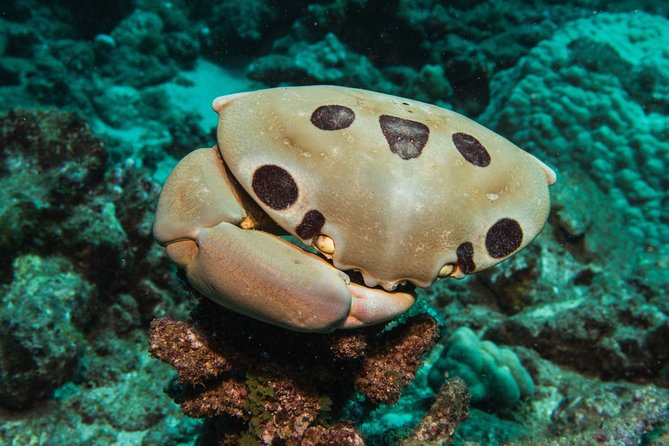
The itinerary lists several West Maui locations, but the actual site depends on ocean conditions. That flexibility is sensible. A good instructor chooses a safer, clearer entry rather than forcing a particular beach simply because it appears on the schedule.
Honolua Bay is listed as one possible stop. The itinerary does not promise that every group will use it, so treat it as a potential location rather than a guaranteed part of your morning. The same applies to the other named places.
Black Rock, also known as Kahekili State Park in some of the supplied feedback, is another possible site. It is valued for convenient beach access and reef life. The activity information also refers to The Spa at Black Rock as a stop, so you may see that area included in the day’s route. Exact time at each place is not specified.
Kapalua Beach is a further option. Its inclusion gives the operator another West Maui setting to use when conditions vary. You should expect the final site to be confirmed close to the activity date or on the morning itself.
Baby Beach in North Lahaina and Canoe Beach are also connected with the itinerary or the possible introductory locations. The practical point is more important than the names: this is a shore-based session, and the operator can select a beach suited to the day.
You may also see Extended Horizons on the itinerary because it is the operator and meeting location. The listed stops should not be read as a sightseeing tour with long visits at five separate attractions. The core experience is instruction and one underwater session, with the locations serving as possible beach and reef settings.
More Maui dive trips:
- 2 Tank Lanai Cathedral Scuba Dive Via Boat for Certified Divers
★ 5.0 · 548 reviews - Intro/Refresher Dive Swim Ability Required
★ 5.0 · 248 reviews - Small-Group Shark and Turtle Dive for Certified Divers
★ 5.0 · 219 reviews - Beginner Scuba Dive in Lahaina: Swimming Required
★ 5.0 · 219 reviews
What you may see below the surface
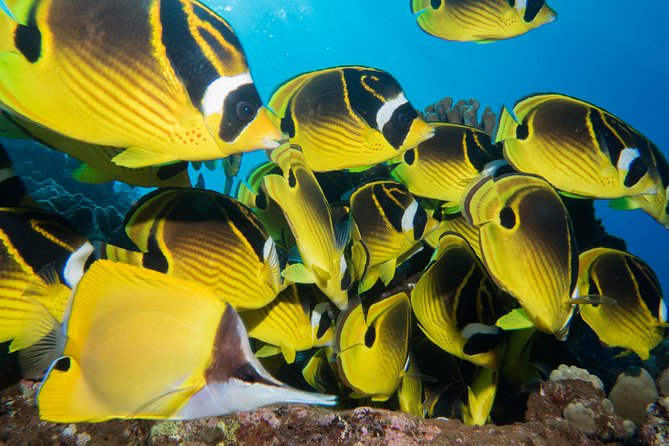
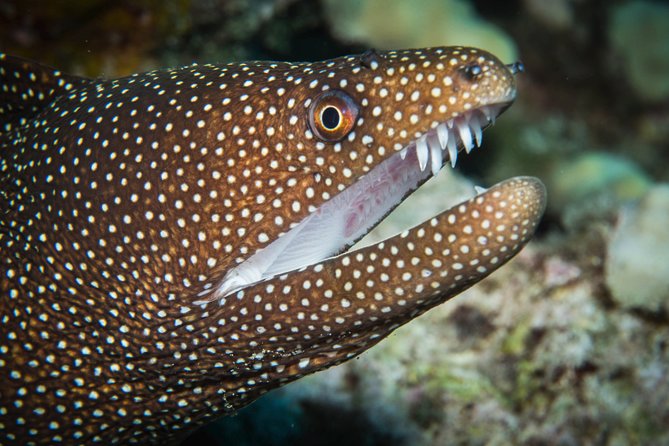
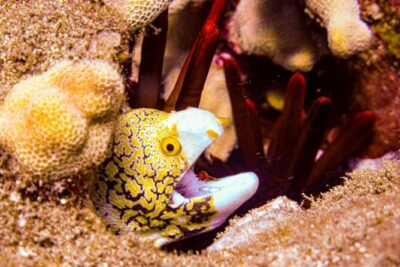
The reef is the star of the morning. Depending on the site and conditions, you may see green sea turtles, colorful fish, coral, eels, and possibly nurse sharks. One account describes being surrounded by turtles, eels, fish, and reef at roughly 28 to 30 feet, while other experiences mention a single turtle or a range of small fish.
That variation matters. No responsible operator can promise a turtle, shark, or particular species on a short coastal session. You may see a turtle close by, or you may spend most of your time mastering buoyancy while a few fish pass through your view. The animal sightings are a bonus, not the whole contract.
The shallow depth is well suited to a first attempt. You can spend less energy managing pressure and depth than you would on a deeper outing. It also gives your guide a practical chance to point out marine life and answer questions. Chris is praised for identifying fish and adding facts about them, while another instructor, Gu, was especially helpful with buoyancy and local conditions.
Do not touch coral or marine life. Keep your hands to yourself and let the instructor set the route. A calm, slow pace gives you a better chance of noticing small animals than rushing around trying to cover ground.
Learning at your own pace
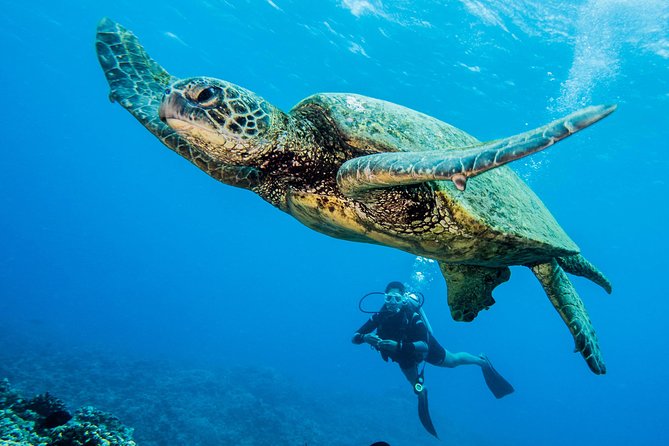
The best guides on this experience are described as calm, patient, and good at reducing anxiety. That quality matters more than a flashy reef description. Breathing underwater can feel unnatural, and even confident swimmers may need time to adjust.
Several people used the session as a way to decide if they wanted full certification. A 12-year-old took part with a parent, and an older participant used the class as a memorable birthday activity. The stated minimum age is 12, but you still need basic swimming ability and the physical capacity to manage the equipment.
The session can also suit a certified diver who has not been underwater in a long time. A refresher lets you review skills under supervision rather than rediscovering them alone. The instructors can focus on the areas you find rusty, such as buoyancy or mask handling.
The one serious warning comes from the negative account. The participant felt rushed during descent, had ear pain, and struggled with water in the eyes and breathing. I would not ignore that complaint simply because the overall score is high. Before entering the water, agree on clear signals for discomfort, stopping, and returning to the surface. Equalizing ear pressure should happen gradually. If something hurts, stop and say so.
Is $227.50 a fair price?
At $227.50 per person, this is not a cheap way to spend two hours. You are paying for instruction, scuba equipment, a certified professional, water, registration with PADI, and a very small group. The price makes more sense if you value close supervision and want to test scuba before paying for a full certification course.
It is less compelling if you mainly want to see fish and turtles. A snorkel outing costs less in many destinations and requires less training, although no comparable price is provided here. This session gives you a different view of the reef and lets you breathe underwater, which is the main reason to choose it.
The PADI registration adds future value. If you decide to pursue certification, this introductory session counts toward that process. Ask the operator how the credit fits into the next steps, since the information provided does not specify the remaining course requirements or total certification cost.
The average booking lead time is about 23 days. That is a useful planning clue, especially if you want a particular morning during a busy Maui stay. Confirmation arrives within 48 hours, subject to availability.
Who should book this experience?
You should consider it if you:
- Have never used scuba equipment and want a guided introduction
- Are curious about certification but do not want to commit yet
- Are a certified diver who wants a supervised refresher
- Prefer a group of four or fewer
- Can swim, manage moderate physical activity, and follow safety instructions
- Want a shore-based session rather than a boat trip
- Can keep at least 18 hours between the activity and any flight or Haleakala visit
You may want to skip it if you dislike wearing a mask, feel uneasy breathing through equipment, cannot swim, or need to fly later the same day. This is not a passive sightseeing ride. You will carry and use gear, enter the sea, and take part in the learning process.
Booking, cancellation, and timing tips
Book early if your Maui schedule is tight, but remember that the final meeting information arrives the day before. Check your messages and keep your phone active while you are on the island.
Free cancellation is available if you cancel at least 24 hours before the start time. Changes or cancellations inside that window are not refunded. Poor weather can lead to a new date or a full refund.
Wear whatever the operator recommends for a beach-based water activity, and send your men’s shoe size in advance. Most important, schedule the session near the start of your Maui stay if you want to fly, take a helicopter, or visit Haleakala afterward. The 18-hour no-flying rule can affect your whole itinerary.
My call: a strong first step, with one firm condition
I would recommend this Maui scuba lesson to a first-timer who wants real instruction, a small group, and a chance to see the reef from below. The best value comes from the patient instructors, included equipment, and ability to apply the session toward PADI certification.
I would book it only after confirming that you can meet the medical, swimming, and timing rules. Once in the water, insist on a pace that lets you equalize and breathe comfortably. If the operator gives you that care, this can turn a nervous first attempt into a lasting interest in scuba. If your schedule is tight or you mainly want easy wildlife viewing, choose a simpler snorkel activity instead.
FAQ
Where does the Maui scuba lesson begin?
It begins at Extended Horizons Scuba, 94 Kupuohi Street, Lahaina, Hawaii 96761.
What time should I arrive?
The scheduled start time is 7:30 a.m.
How long does the activity last?
The experience lasts approximately two hours and 15 minutes.
What is the maximum group size?
The activity allows a maximum of four participants per booking.
What is the minimum age?
The minimum age is 12 years old.
Do I need scuba certification?
No. This is an introductory lesson designed for first-timers and also suitable as a refresher for someone who has not used scuba equipment recently.
How deep will I go?
The maximum stated depth is 35 feet, or 10.7 meters.
What equipment is included?
All required equipment is included, along with a professional guide and water.
Can I fly after the activity?
No. You must wait 18 hours after the session before taking an airplane or helicopter. The same restriction applies to visiting Haleakala.
What happens if the weather is poor?
If the activity is canceled because of weather, you can receive a different date or a full refund. You can also cancel for a full refund if you cancel at least 24 hours before the scheduled start time.
More Workshops in Maui
- Maui: Two Hour Beginner Group Surf Lesson in Kihei
★ 5.0 · 950 reviews - Outrageous Surf ScHool Lesson on Lahaina Side
★ 4.5 · 547 reviews - Group Surf Lesson at Kalama Beach in Kihei
★ 5.0 · 264 reviews - Maui Lahaina Group Surf Lesson
★ 4.9 · 235 reviews
Just added around Maui
- Whale Watch Sail Ma’alaea★ 4.9 · 27 reviews
- Wailea-Makina: Sea Caves, Molokini Snorkel & Turtle Town★ 4.9 · 37 reviews
- West Maui and Molokai Special 45-Minute Helicopter Tour★ 5.0 · 9 reviews
- Turtle Town Clear Kayak & Snorkel Tour (8am-11am)★ 5.0 · 6 reviews
- Maui: Private All-Inclusive Road to Hana Tour with Pickup★ 5.0 · 28 reviews
- 2.5 Hour Whale Escape Tour★ 5.0 · 44 reviews
- Whalewatch Deluxe Tour from Ma’alaea Harbor★ 4.5 · 37 reviews
- Zumba Classes in Kihei Maui – Private or Group (This class is high impact )★ 4.5 · 6 reviews
Maui Scuba Diving Tours, compared.
2 Tank Lanai Cathedral Scuba Dive Via Boat for Certified Divers
Read our review →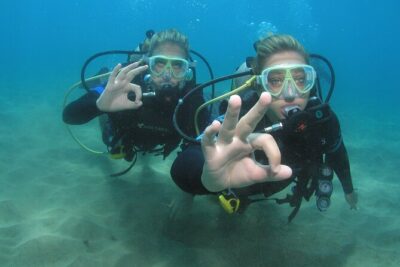
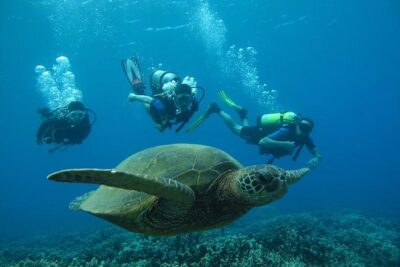
Beginner Scuba Dive in Lahaina: Swimming Required
Read our review →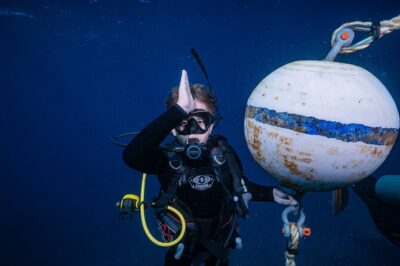
Small-Group Shark and Turtle Dive for Certified Divers
Read our review →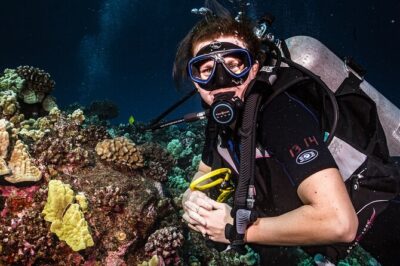
VIP Aloha Nui Snorkel Adventure w/ optional SCUBA from Lahaina
Read our review →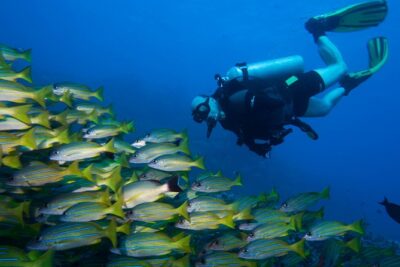
Browse the lists this tour appears in