
Reviewed · HALEAKALA SUNRISE AND SUMMIT TOURS
Haleakala Sunset and Astronomy Tour
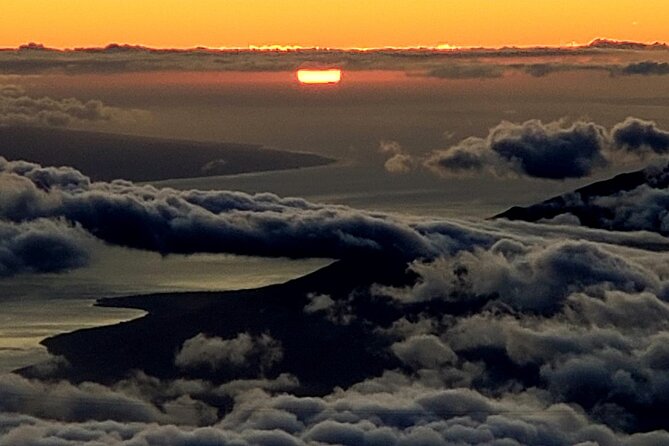
At 10,000 feet on Haleakalā, the evening changes by the minute. You watch the sun sink above the clouds, then stay put as the sky turns dark and the stars come out in force. Guide Trish adds the useful part: local geology, rare plants and animals, constellations, and help with night photos.
I like the small group limit of seven, which keeps the ride and telescope time personal. I also like the practical comforts: chairs, warm outerwear, gloves, and hot drinks. The catch is simple: mountain weather can cancel the tour, and you must bring your own dinner or substantial snack.
Key points to know before booking
- Sunset and stargazing in one evening: You get Haleakalā’s famous sunset and a separate night-sky session instead of choosing between them.
- Trish leads the experience: Expect a local guide who talks about Maui’s volcano, native life, and the stars in plain language.
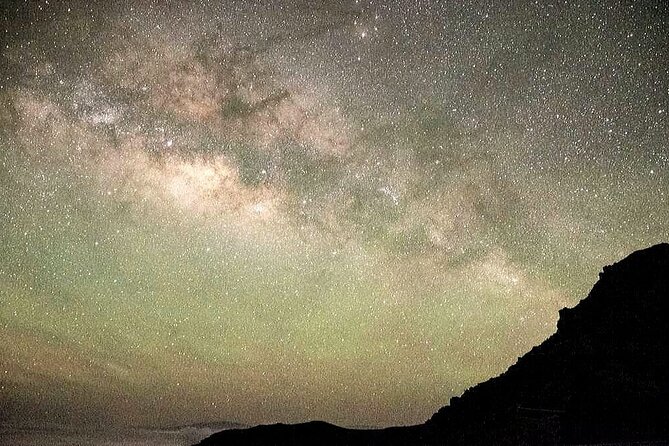
- A telescope makes the difference: You may see the moon, planets, star clusters, and the Milky Way far more clearly than with your eyes alone.
- Warm gear is supplied: Jackets, ski pants, gloves, chairs, and hot drinks help with the cold summit air.
- Bring your own meal: Dinner is not included, though simple soup or snacks may sometimes be offered.
- Altitude needs respect: The tour reaches 10,000 feet and is not suited to people with recent scuba activity, sinus congestion, or illness.
Haleakalā after sunset is the real draw
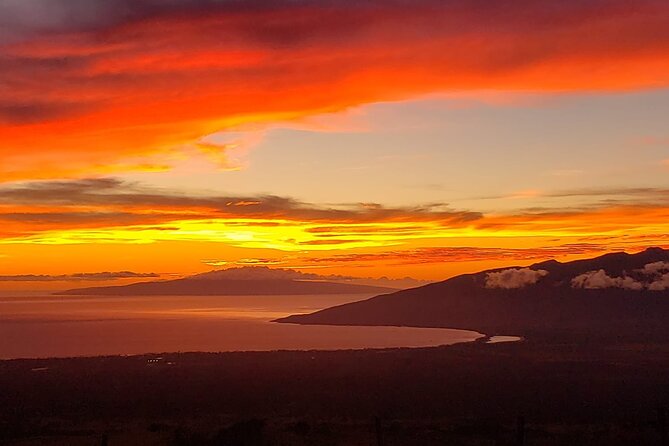
Many people come to Haleakalā for the sunset and leave once the last orange light fades. This tour asks you to stay. That is its strongest idea.
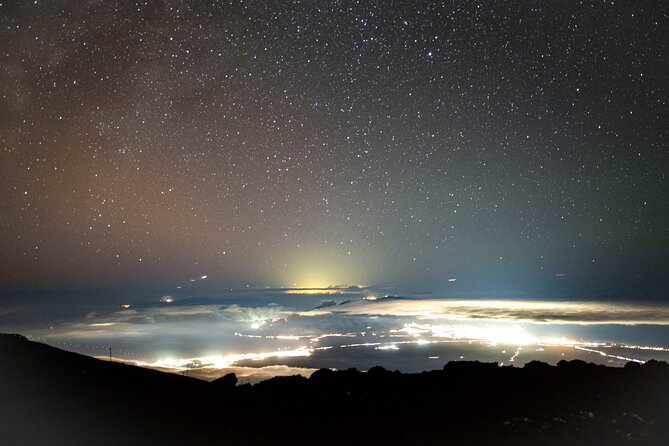
From the summit area, you can watch the sun drop below the clouds, then wait as the sky darkens. The second half is not an afterthought. Trish sets up a telescope and binoculars so you can look at the moon, planets, and dense star fields. On a clear night, you may see the Milky Way with your own eyes.
I like that the tour gives you two very different views of the same mountain. Sunset shows off the scale of Haleakalā. The astronomy session gives you quiet, darkness, and a sense of how far you are from city lights. For many people, the night sky will be the more memorable part.
Weather controls the whole experience. High winds or cloud cover can make the summit unsafe or spoil the view, so the tour may be canceled. If that happens, you can accept another date or receive a full refund. That is sensible, but it means you should avoid placing this tour on the final possible evening of your Maui stay.
More Haleakala sunrise and summit tours:
- Maui: Haleakala Sunrise Spectacular with Local Breakfast
★ 4.5 · 2,155 reviews - Haleakala 6 Line Zipline Adventure
★ 5.0 · 913 reviews - Haleakala Sunrise Best Self-Guided Bike Tour
★ 4.5 · 745 reviews
The 4:30 pm start in Makawao
You meet at 81 Ahuwale Place in Makawao at 4:30 pm. The activity lasts about five and a half hours and returns to the same meeting point.
That timing gives you a gradual transition from afternoon to night. You are not rushing up for a single viewpoint, then racing back down. The ride into Haleakalā National Park is part of the lesson, with discussion of Maui’s volcanic origins and the special plants and animals found at high elevation.
The group is capped at seven people. That matters here. A large bus tour would make telescope viewing slow and impersonal. With a small group, you have a better chance to ask questions, get help with your phone camera, and spend useful time at the telescope.
Transportation is by a comfortable passenger van, according to the experience details shared by past participants. You should still expect a long mountain ride with bends and a major change in temperature. If you are prone to motion sickness, prepare accordingly, though no special motion-sickness service is listed.
Haleakalā National Park at 10,000 feet
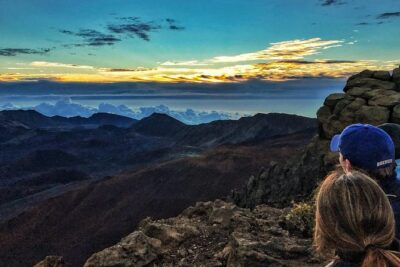
Haleakalā is a dormant volcano, and the park’s upper slopes feel nothing like the beaches below. Trish explains the volcano’s geology while pointing out plants and animals adapted to the summit environment. The setting is stark, open, and often windy.
The high elevation also explains why the light can be so clear. You are above much of the island’s cloud cover, and the summit air is far colder than the coast. Reports of temperatures around 48 degrees Fahrenheit at night are a useful warning, but wind can make it feel colder.
The supplied outerwear is not a gimmick. Guests have used jackets, ski pants, mittens, and other warm layers at the summit. You should still wear long pants, covered shoes, and a warm base layer. Do not assume that tropical Maui means warm everywhere.
The altitude is the main health issue. The experience is not recommended if you are sick or have sinus congestion, since the descent can hurt if you cannot clear your ears. It is also not recommended soon after scuba activity because of the elevation. Service animals are allowed, and most people can take part, but the summit conditions deserve honest consideration.
Sunset above the clouds
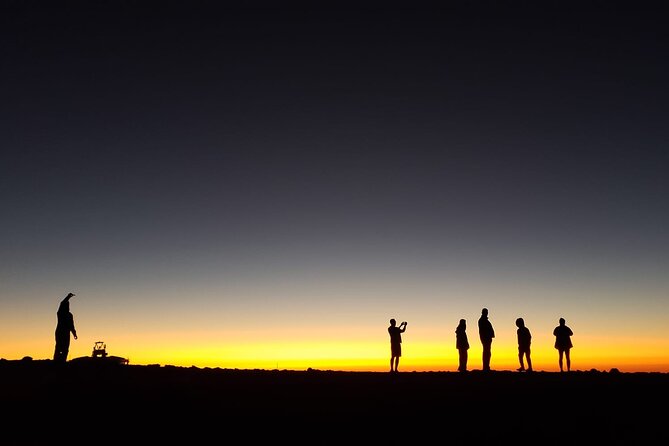
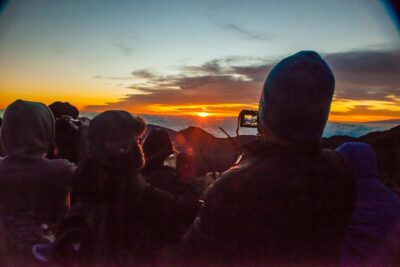
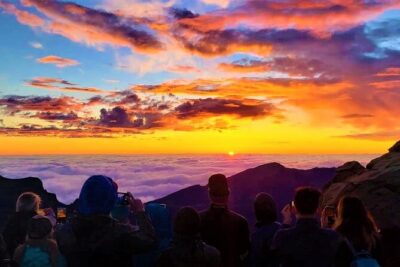
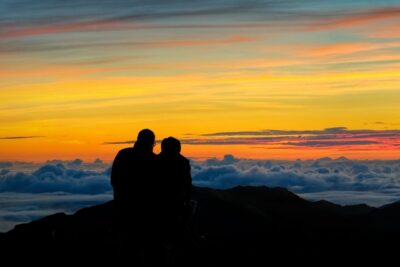
The sunset portion is arranged with chairs so you can sit rather than stand for the full show. Trish chooses a viewing spot, and the scene can include the sun dropping beneath a cloud layer while the summit remains in clear air.
I like the seating and warm clothing because they let you pay attention to the view. Without them, the cold and wind can become the story. You are still outdoors at high altitude, so comfort will depend on the weather, but the tour makes a real effort to handle the basic problem.
Bring your camera, but keep expectations sensible. The sunset is easy to appreciate with your eyes, while the stars often need steadier support and careful phone settings. Trish offers tips for night photography, which is useful if you want more than a dark blur in your camera roll.
There is no guarantee of a perfect sunset. Clouds, wind, or rain can change the experience. That uncertainty is part of visiting a mountain summit, not a flaw unique to this tour. The provider’s weather policy gives you a reasonable fallback if conditions force a cancellation.
A few more Maui trips worth weighing up
- Maui: Original Sunset Cruise with Open Bar from Ka’anapali Beach
★ 5.0 · 1,422 reviews - Maui Premium Sunset Dinner Cruise from Ka’anapali Beach
★ 5.0 · 903 reviews - From Ma’alaea Harbor: Sunset Dinner Cruise Aboard the Quicksilver
★ 4.5 · 826 reviews - Maui Sunset Dinner Cruise – A Hawaiian Hula Experience
★ 4.5 · 703 reviews
The telescope session after dark
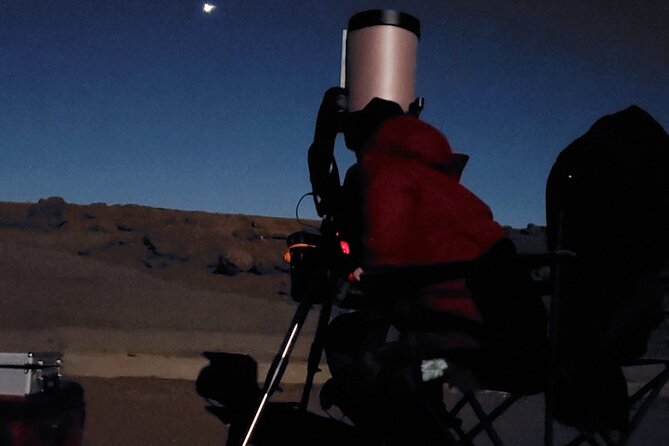
Once the sun is gone, Trish sets up the telescope. This is where the tour separates itself from a basic Haleakalā sunset outing.
You may look at the moon’s surface, planets such as Jupiter or Mars, and dense areas of stars. The exact objects depend on the night sky and the telescope’s position, so do not treat a particular planet as guaranteed. Binoculars are also provided, giving you another way to scan the sky.
You do not need a background in astronomy. Trish explains what you are seeing and points out constellations in a way that works for beginners. That makes the session suitable for families, couples, and anyone who has always wanted to try stargazing but never knew where to begin.
The telescope is valuable because it turns a broad view into a focused one. You can see the Milky Way with your eyes, but the instrument gives you a closer look at selected objects. The combination is better than either one alone.
Night photography help is another useful touch. You will need your own phone or camera, and there is no promise of professional photographs, but guidance on settings and technique can help you make the most of the dark sky.
Warm clothing, chairs, and hot drinks
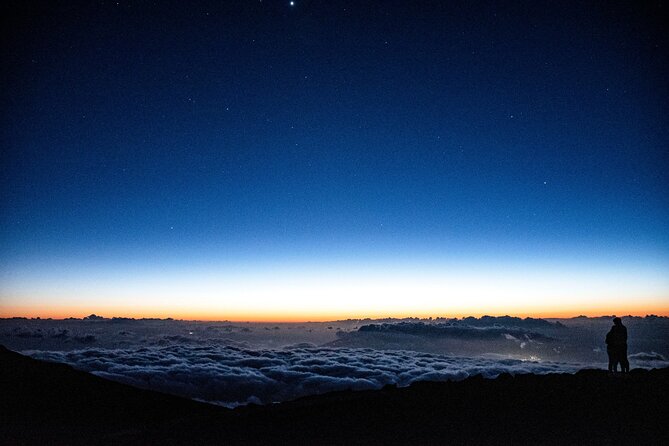
The included equipment is unusually practical for a sunset tour. You get warm outerwear, chairs, binoculars, a telescope, and hot tea or hot chocolate.
The chairs matter more than they sound. This is an evening of waiting for light to fade and stars to appear, so a seat makes the pace calmer. Hot drinks give you something warm while you wait and make the cold easier to manage.
Some past evenings have also included simple soup, crackers, fruit, or another light meal. Do not count on that as part of the package. Dinner is specifically not included, and you are asked to bring your own snacks, boxed meal, or sandwich. I would pack food that is easy to eat outside and a refillable water bottle.
The food policy is understandable because dietary needs vary, but it is easy to overlook when you see an evening tour described as a full experience. Eat a proper meal before meeting or bring one with you. Five and a half hours is a long stretch for a few cups of tea.
What the $235 price really covers
At $235 per person, this is not a cheap way to reach Haleakalā. You are paying for more than transport to a viewpoint, though.
The price includes the guide, park access as part of the outing, warm clothing, chairs, hot drinks, binoculars, and telescope use. It also covers a small group and a five-and-a-half-hour evening rather than a quick sunset transfer. If you would otherwise need to buy cold-weather gear for one night, the supplied clothing has practical value.
The strongest value comes from the personal astronomy session. A standard sunset visit may give you a viewpoint and a ride, but this experience keeps going after dark. You also get local interpretation of the volcano, summit plants, animals, and sky.
The price is harder to justify if you only want a quick photo of sunset or if you dislike sitting outside in cold wind. It also does not include dinner, so budget for food separately. I would see it as a specialized evening outing, not a general sightseeing transfer.
Who will enjoy this most
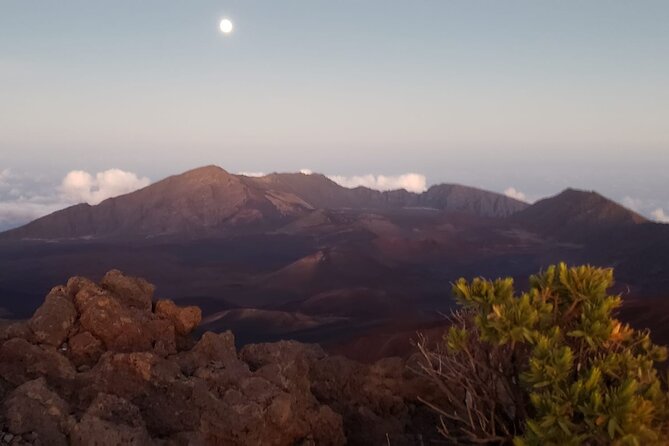
This tour suits you if you want a slower, more personal Haleakalā visit. Couples get a quiet evening with a strong sense of place. Families with older children and teenagers can usually find enough variety to stay interested: volcano stories, sunset, warm drinks, planets, and stars.
It is also a good choice for first-time stargazers. You do not need to know constellations in advance, and Trish can explain what you are seeing. The small group makes it easier to ask basic questions without feeling out of place.
The tour may be less suitable for very young children who cannot handle a late, cold outing. It is also a poor fit if you want a warm indoor evening, dislike winding mountain roads, or need a guaranteed clear sky.
Most people can participate, and service animals are allowed. Still, take the altitude seriously. Recent scuba activity, illness, or blocked sinuses can make the trip uncomfortable or unsafe. If you have a medical concern, ask a healthcare professional before booking.
Booking, cancellation, and weather choices
The experience is often reserved about 60 days ahead, so do not assume you can wait until the week of your trip. Small groups fill faster than large coach tours.
You can cancel for a full refund up to 24 hours before the 4:30 pm start time. Changes or cancellations inside that window are not accepted for a refund. Weather is handled separately: if poor conditions cancel the outing, you can choose another date or receive your money back.
That policy is worth considering when planning your Maui schedule. Leave at least one possible evening after the tour if seeing Haleakalā is important to you. A weather buffer is especially useful because high winds have canceled some outings.
Should you book the Haleakalā Sunset and Astronomy Tour?
I would book it if you want more than a standard sunset stop. The telescope, small group, warm gear, and patient pace give the evening real substance. Trish’s talks about Maui’s volcano, summit life, and the night sky add meaning to what you are seeing.
I would skip it if $235 feels high for an outdoor evening, if you need a warm indoor setting, or if you have a tight schedule with no room for weather changes. Bring dinner, wear proper layers, and plan for cold and wind.
For the right visitor, this is one of Maui’s strongest night experiences: sunset first, then the moon, planets, and stars above a dormant volcano.
FAQ
Where does the Haleakalā tour begin?
You meet at 81 Ahuwale Place in Makawao, Hawaii, at 4:30 pm. The tour ends back at the same meeting point.
How long does the experience last?
The tour lasts approximately five hours and 30 minutes.
How high does the tour go?
The experience reaches about 10,000 feet at Haleakalā.
Is dinner included?
No. Dinner is not included, so bring your own snacks, boxed meal, or sandwich. Hot tea, hot chocolate, and coffee are included.
What warm equipment is provided?
The tour provides warm outerwear, chairs, binoculars, and a telescope. Guests have also been supplied with jackets, ski pants, and gloves for cold summit conditions.
Is the tour suitable after recent scuba activity?
No. The experience is not recommended for people who have recently done scuba activity because the tour reaches high altitude.
What happens if bad weather cancels the tour?
You can choose another date or receive a full refund if poor weather causes the provider to cancel the experience.
Just added around Maui
- Whale Watch Sail Ma’alaea★ 4.9 · 27 reviews
- Wailea-Makina: Sea Caves, Molokini Snorkel & Turtle Town★ 4.9 · 37 reviews
- West Maui and Molokai Special 45-Minute Helicopter Tour★ 5.0 · 9 reviews
- 2.5 Hour Whale Escape Tour★ 5.0 · 44 reviews
- Turtle Town Clear Kayak & Snorkel Tour (8am-11am)★ 5.0 · 6 reviews
- Maui: Private All-Inclusive Road to Hana Tour with Pickup★ 5.0 · 28 reviews
- Whalewatch Deluxe Tour from Ma’alaea Harbor★ 4.5 · 37 reviews
- Zumba Classes in Kihei Maui – Private or Group (This class is high impact )★ 4.5 · 6 reviews
Haleakala Sunrise and Summit Tours, compared.
Haleakala Sunrise Spectacular with Local Breakfast
Read our review →
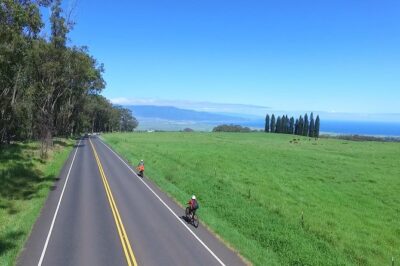
Best Haleakala Downhill Self-Guided Bike Tour with Maui Sunriders
Read our review →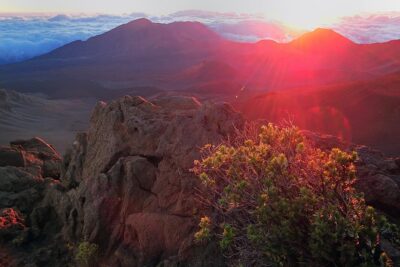
Haleakala Sunrise Tour with Breakfast and West Side Pickup
Read our review →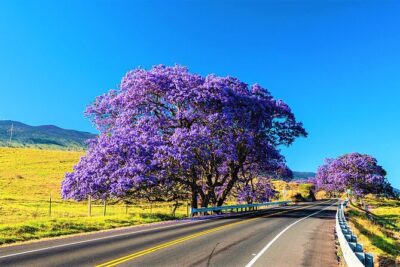
Haleakala Express Self-Guided Bike Tour with Bike Maui
Read our review →Browse the lists this tour appears in